Owning a dog is a rewarding responsibility, but providing proper care involves much more than food, water, and occasional walks. Dogs depend on their owners for their physical health, emotional well-being, safety, exercise, and social development. Some common mistakes may seem harmless at first but can gradually lead to behavioral problems, obesity, illness, anxiety, or preventable emergencies.
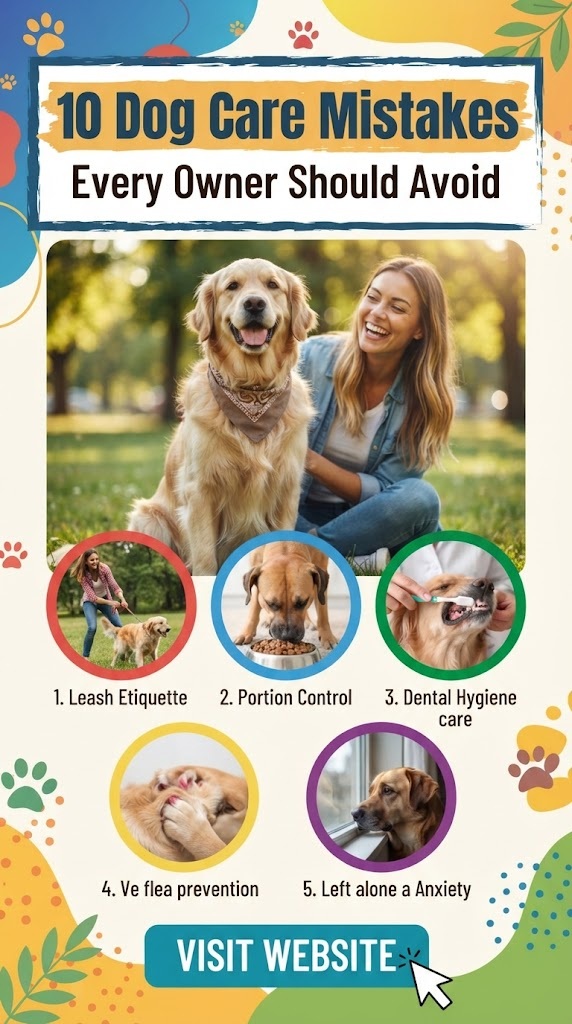
Below are 10 common dog-care mistakes every owner should avoid, explained step by step so you can provide your dog with a healthier, happier, and safer life.
1. Skipping Regular Veterinary Checkups
One of the biggest mistakes dog owners make is taking their dog to the veterinarian only when the dog becomes visibly sick.
Why this is a problem
Dogs can hide pain and illness extremely well. By the time symptoms become obvious, a condition may already have progressed.
Step-by-step approach
Step 1: Schedule routine examinations.
Take your dog for regular veterinary checkups according to your veterinarian’s recommendations. Puppies, senior dogs, and dogs with existing health concerns may need more frequent visits.
Step 2: Keep vaccinations up to date.
Vaccination schedules vary depending on age, lifestyle, location, and veterinary recommendations.
Step 3: Discuss parasite prevention.
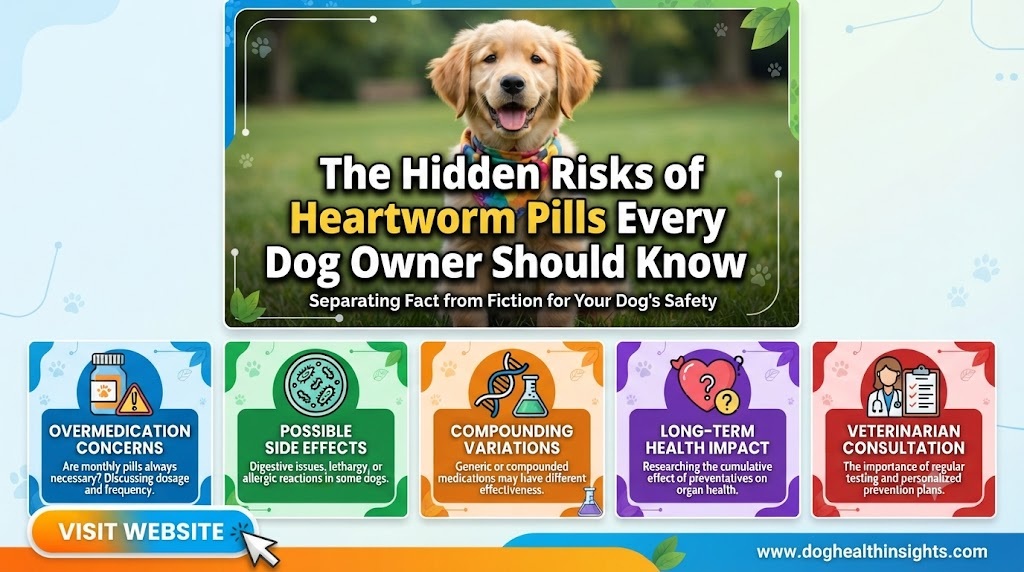
Ask your veterinarian about appropriate protection against fleas, ticks, heartworm, and intestinal parasites.
Step 4: Monitor changes between visits.
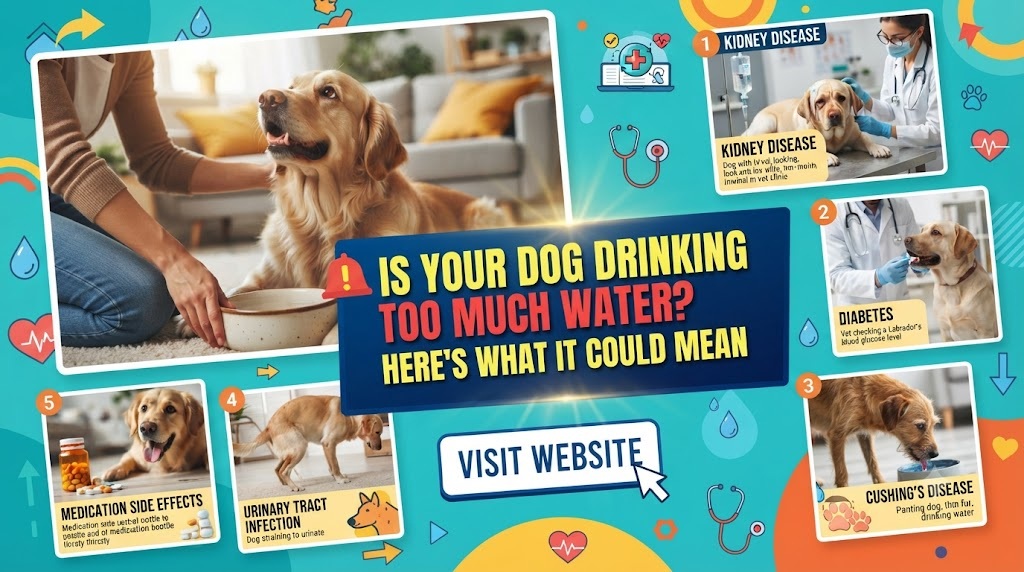
Pay attention to changes in appetite, drinking, weight, energy, bowel movements, urination, breathing, skin, coat, or behavior.
Step 5: Do not ignore unusual symptoms.
Persistent vomiting, difficulty breathing, collapse, severe pain, poisoning, seizures, or other serious symptoms can require urgent veterinary attention.
Regular veterinary care helps detect problems early rather than waiting until they become emergencies.
2. Feeding Too Much or Choosing the Wrong Food
Food is an essential part of your dog’s health, but overfeeding is extremely common.
Why this is a problem
Excess calories can cause unhealthy weight gain, which may increase the risk of joint problems and other health complications. Feeding inappropriate human foods can also be dangerous.
Step-by-step approach
Step 1: Choose an appropriate diet.
Select food that is nutritionally appropriate for your dog’s age, size, activity level, and individual needs.
Step 2: Measure meals.
Instead of estimating portions, use a measuring cup or kitchen scale when appropriate.
Step 3: Account for treats.
Treats contain calories too. Reduce the amount of regular food if necessary when giving frequent treats.
Step 4: Avoid dangerous foods.
Some foods can be toxic or harmful to dogs, including chocolate, grapes and raisins, onions, garlic, xylitol, and certain other ingredients.
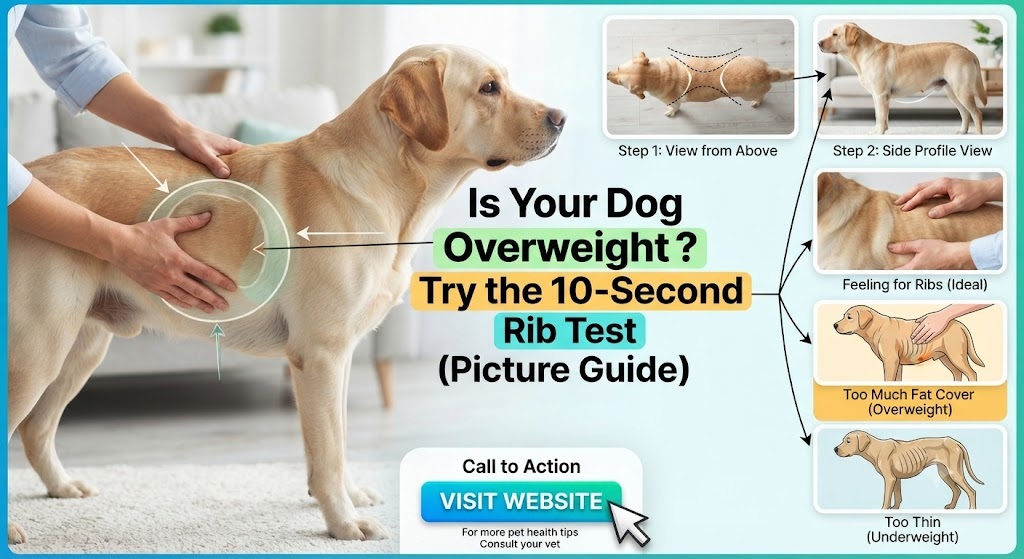
Step 5: Monitor body condition.
Do not judge your dog’s health solely by the number on a scale. Ask your veterinarian to help you determine an appropriate body condition and weight.
A healthy diet should support your dog’s nutritional needs without unnecessary excess calories.
3. Not Providing Enough Exercise
Dogs need physical activity, but the amount required varies considerably from one dog to another.
Why this is a problem
Insufficient activity can contribute to weight gain, boredom, frustration, destructive behavior, and poor physical fitness.
Step-by-step approach
Step 1: Learn your dog’s exercise requirements.
A young, energetic working breed may need considerably more activity than an older companion dog.
Step 2: Establish a routine.
Consistent daily activity is usually better than occasional intense exercise.
Step 3: Combine physical and mental exercise.
Walking, playing fetch, exploring safe environments, training exercises, scent games, and puzzle toys can provide different forms of stimulation.
Step 4: Increase activity gradually.
If your dog has been inactive, do not suddenly begin demanding strenuous exercise. Build activity gradually.
Step 5: Watch for signs of exhaustion.
Heat, age, fitness level, breed characteristics, and medical conditions can affect exercise tolerance.
Exercise should be enjoyable and appropriate for the individual dog rather than based on a one-size-fits-all routine.
4. Ignoring Dental Care
Many owners overlook their dog’s teeth until there is a noticeable problem.
Why this is a problem
Dental disease can cause bad breath, discomfort, difficulty eating, gum problems, and other health concerns.
Step-by-step approach
Step 1: Introduce dental care gradually.
Allow your dog to become comfortable with having its mouth and teeth handled.
Step 2: Use dog-specific dental products.
Use products designed for dogs and follow veterinary recommendations.
Step 3: Brush regularly if your dog tolerates it.
Introduce brushing slowly and make the experience positive.
Step 4: Monitor the mouth.
Look for swollen gums, bleeding, broken teeth, excessive drooling, difficulty chewing, or strong persistent bad breath.
Step 5: Ask your veterinarian about professional dental care.
Some dogs require veterinary dental examinations and professional cleaning.
Never use human toothpaste unless a veterinarian specifically advises that a particular product is safe for your dog.
5. Neglecting Training and Socialization
Training is not simply about teaching a dog tricks. It helps dogs understand how to behave safely around people, animals, and different environments.
Why this is a problem
Dogs that receive little training or socialization may develop fear, anxiety, excessive barking, jumping, destructive behavior, or difficulty coping with unfamiliar situations.
Step-by-step approach
Step 1: Begin with basic commands.
Teach useful behaviors such as sit, stay, come, leave it, and walking politely on a leash.
Step 2: Use positive reinforcement.
Reward desirable behavior with appropriate treats, praise, toys, or other rewards.
Step 3: Avoid harsh punishment.
Physical punishment and frightening training methods can damage trust and may worsen fear or aggression.
Step 4: Introduce new experiences gradually.
Expose your dog safely and positively to different people, environments, sounds, surfaces, and situations.
Step 5: Be consistent.
Everyone in the household should use similar rules and expectations.
Training should be an ongoing part of your dog’s life rather than something that ends after puppyhood.
6. Leaving a Dog Without Proper Supervision or Safety Measures
Even well-trained dogs can make unexpected decisions.
Why this is a problem
Dogs can run into traffic, eat dangerous objects, escape through gates, fight with other animals, or become lost.
Step-by-step approach
Step 1: Secure your home.
Check fences, gates, doors, windows, balconies, and other potential escape routes.
Step 2: Use appropriate identification.
Make sure your dog has reliable identification and that your contact information is current.
Step 3: Use a leash where required or appropriate.
Do not assume your dog will always return when called.
Step 4: Dog-proof the environment.
Keep medications, chemicals, toxic foods, small objects, electrical cords, and other hazards out of reach.
Step 5: Never leave your dog in a parked car.
Temperatures inside vehicles can become dangerously high very quickly, even when the outside temperature does not seem extreme.
Good supervision prevents many accidents before they happen.
7. Ignoring Grooming and Skin Care
Grooming is not only about making a dog look clean. It can also help owners notice health problems.
Why this is a problem
Matted fur, dirty ears, overgrown nails, skin infections, parasites, and other problems can cause discomfort.
Step-by-step approach
Step 1: Brush according to your dog’s coat.
Different coat types require different grooming routines.
Step 2: Check the skin regularly.
Look for unusual lumps, redness, irritation, wounds, parasites, or changes in the coat.
Step 3: Maintain appropriate nail length.
Overgrown nails can interfere with comfortable movement and may cause injury.
Step 4: Check the ears.
Look for unusual odor, discharge, redness, or repeated scratching.
Step 5: Bathe when appropriate.
Dogs do not necessarily need frequent baths. Excessive bathing can irritate some dogs’ skin.
If you notice persistent skin, ear, or coat problems, consult your veterinarian rather than repeatedly treating the issue yourself.
8. Giving Human Medication Without Veterinary Advice
A medicine that is safe for humans may be dangerous for dogs.
Why this is a problem
Dogs process medications differently from people. Some common human medicines can cause serious poisoning or organ damage.
Step-by-step approach
Step 1: Never assume a medication is safe.
Do not give your dog human painkillers, cold medicine, supplements, or other medications without veterinary guidance.
Step 2: Keep medications secured.
Store medicines where your dog cannot reach them.
Step 3: Follow veterinary instructions carefully.
Use the prescribed dose and schedule exactly as directed.
Step 4: Never share medication between pets.
A medication prescribed for one animal may not be appropriate for another.
Step 5: Act quickly if accidental ingestion occurs.
If your dog may have swallowed medication or another potentially toxic substance, contact a veterinarian or appropriate animal poison service immediately.
Medication should always be treated as a potential safety issue.
9. Failing to Understand Your Dog’s Body Language
Dogs communicate constantly through posture, facial expressions, ears, tails, movement, and behavior.
Why this is a problem
Owners who misunderstand these signals may accidentally place their dog in stressful or frightening situations.
Step-by-step approach
Step 1: Learn common stress signals.
Depending on the individual dog, signs may include turning away, hiding, freezing, excessive lip licking, yawning, pacing, or attempting to escape.
Step 2: Recognize escalating behavior.
Growling, snapping, or other defensive behavior should not simply be punished. These behaviors can indicate that a dog is uncomfortable or feels threatened.
Step 3: Give the dog space.
If your dog is frightened or overwhelmed, reduce the pressure and move it to a safer, calmer environment.
Step 4: Avoid forced interactions.
Do not force a nervous dog to interact with strangers, children, or other animals.
Step 5: Seek professional help for serious behavior problems.
A veterinarian or qualified positive-reinforcement behavior professional can help identify the underlying issue and develop a safe plan.
Understanding body language helps prevent conflicts and strengthens communication between you and your dog.
10. Not Giving Enough Mental Stimulation and Attention
Dogs need more than food and physical exercise. They also need opportunities to explore, learn, interact, and use their natural behaviors.
Why this is a problem
Boredom can contribute to excessive barking, chewing, digging, destructive behavior, restlessness, and other unwanted behaviors.
Step-by-step approach
Step 1: Provide appropriate toys.
Rotate safe toys so your dog does not become bored with the same objects.
Step 2: Use food-based enrichment appropriately.
Puzzle feeders and similar activities can encourage dogs to work for part of their food.
Step 3: Practice short training sessions.
A few minutes of training can provide meaningful mental stimulation.
Step 4: Allow safe exploration.
Walks should not always be about covering distance. Giving your dog appropriate opportunities to sniff and investigate can provide mental enrichment.
Step 5: Spend quality time together.
Play, training, grooming, relaxation, and calm companionship all contribute to the human-dog relationship.
Mental stimulation should be adapted to your dog’s age, personality, abilities, and physical condition.
Final Dog-Care Checklist
Before considering your dog’s routine complete, ask yourself:
- Does my dog receive appropriate veterinary care?
- Am I feeding the correct type and amount of food?
- Does my dog receive appropriate daily exercise?
- Am I maintaining dental health?
- Am I providing consistent training and socialization?
- Is my home and outdoor environment secure?
- Am I keeping my dog’s coat, nails, ears, and skin appropriately maintained?
- Do I avoid giving medications without veterinary advice?
- Do I understand my dog’s stress and communication signals?
- Does my dog receive enough mental stimulation, attention, and companionship?
Conclusion
Good dog ownership is about prevention, consistency, observation, and understanding. The most common mistakes are often not caused by a lack of love; they happen because owners may not realize what their dogs actually need.
By providing appropriate nutrition, veterinary care, exercise, dental care, training, grooming, safety, mental stimulation, and respectful communication, you can significantly improve your dog’s quality of life.
Most importantly, remember that every dog is an individual. Age, breed, size, temperament, lifestyle, and health can change what is appropriate. When you are unsure about your dog’s health, diet, medication, behavior, or exercise needs, your veterinarian is the best person to provide advice specific to your dog.