Is Your Dog Drinking Too Much Water? The Silent Warning Signs Every Owner Must Know
It is a sound every dog owner knows by heart: the rhythmic lap-lap-lap of a tongue hitting the water bowl. Usually, it is a sign of a healthy, hydrated pup. We are conditioned to worry when our dogs don’t drink enough, especially during the sweltering months of summer or after a vigorous game of fetch in the park.
But what happens when that licking sound becomes constant? What if you find yourself refilling the water bowl four, five, or six times a day? What if your house-trained dog suddenly starts having accidents in the middle of the night?
In the veterinary world, excessive thirst is known as polydipsia. While it might seem like a minor behavioral quirk, it is often the first—and sometimes only—visible symptom of serious underlying health issues. From manageable dietary shifts to life-threatening internal conditions, understanding why your dog is over-hydrating is critical to their long-term health.
In this comprehensive guide, we will dive deep into the science of canine hydration, the red flags you cannot afford to ignore, and the steps you must take to ensure your furry best friend stays safe.
How Much Water is “Normal” for a Dog?
Before you panic, it is essential to establish a baseline. Just like humans, every dog’s water needs are unique. A Chihuahua living in a climate-controlled apartment in Maine has vastly different hydration requirements than a Border Collie herding sheep in the Texas heat.
The General Rule of Thumb
The standard veterinary guideline for a healthy dog is approximately 1 ounce (30ml) of water per pound of body weight per day.
- 10-lb Dog: ~1.25 cups per day
- 50-lb Dog: ~6 cups per day
- 100-lb Dog: ~12.5 cups per day
Factors That Change the Baseline
“Normal” is a moving target. Your dog might drink more than the standard calculation if:
- They Eat Dry Kibble: Kibble contains only about 10% water. Dogs on a dry diet must compensate by drinking more. Conversely, dogs on wet or raw diets (which are 70-80% water) may barely touch their bowls.
- Exercise Intensity: A high-energy session increases respiratory rate (panting), which causes water loss through evaporation.
- Environmental Temperature: High heat and humidity lead to increased panting and cooling needs.
- Life Stage: Puppies and nursing mothers naturally require significantly more water to support growth and milk production.
Identifying the Red Flags: When Thirst Becomes Polydipsia
If your dog is drinking more than 100ml per kilogram of body weight (about 1.5 ounces per pound), they are officially considered polydipsic. But you don’t always need a measuring cup to know there’s a problem. Watch for these behavioral shifts:
- The Bottomless Bowl: You fill the bowl, walk away, and it’s empty again within minutes.
- Seeking Unusual Sources: Your dog begins drinking from the toilet, puddles, or the dripping showerhead when their bowl is empty.
- Increased Urination (Polyuria): This almost always accompanies excessive drinking. If your dog is asking to go out every hour or having “accidents” despite years of perfect training, their kidneys are likely trying to flush out the excess fluid.
- Nocturia: Waking up in the middle of the night specifically to drink or urinate.
- Changes in Urine Color: If your dog’s urine is consistently clear like water rather than pale yellow, it indicates the kidneys aren’t concentrating the waste properly.
Common Causes of Excessive Thirst: The “Simple” Reasons
Not every case of increased thirst is a medical emergency. Sometimes, the cause is external or temporary.
1. Diet and Dehydration
High-sodium treats or human table scraps (like deli meats) can cause a temporary spike in thirst. Additionally, if your dog hasn’t had access to water for several hours, they may “over-drink” to compensate, which can lead to bloating or vomiting.
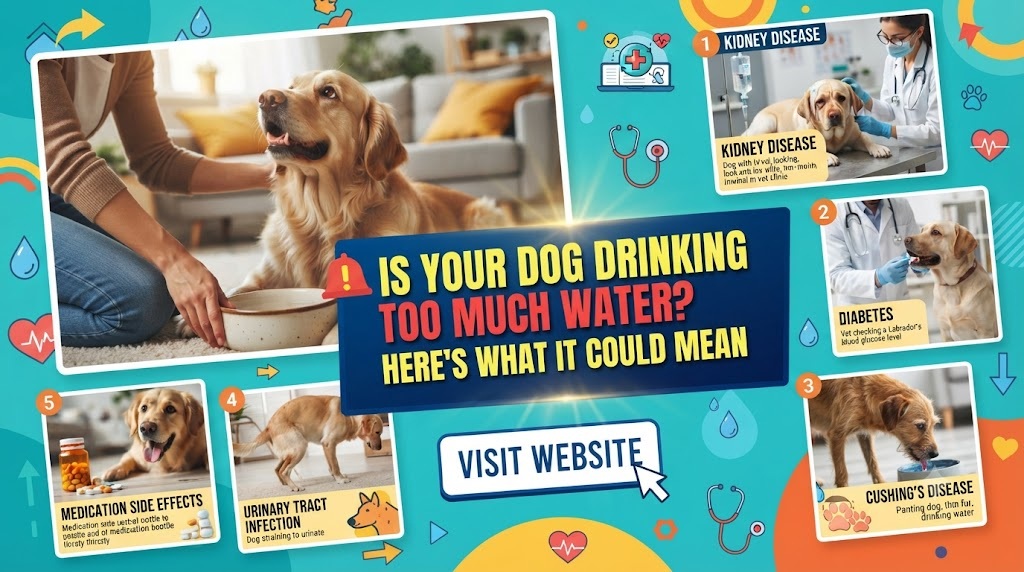
2. Medications
Certain medications are notorious for causing increased thirst and urination. These include:
- Prednisone/Corticosteroids: Often prescribed for allergies or inflammation.
- Diuretics: Used to treat heart failure or fluid retention.
- Phenobarbital: An anti-seizure medication.
3. Heatstroke and Dehydration
If your dog is panting heavily, has bright red gums, and is drinking frantically after being outside, they may be experiencing heat exhaustion. This is a medical emergency that requires immediate cooling and veterinary intervention.
The Serious Culprits: Medical Conditions That Cause Polydipsia
If you have ruled out heat, exercise, and medication, the increased thirst is likely a symptom of an internal imbalance. Here are the most common medical causes:
1. Diabetes Mellitus
Just like humans, dogs can suffer from diabetes. In this condition, the body either doesn’t produce enough insulin or can’t use it effectively. This leads to high blood sugar levels. The kidneys try to filter out the excess glucose, but glucose “pulls” water with it into the urine.
- Key Sign: Dramatic weight loss despite a voracious appetite.
2. Chronic Kidney Disease (CKD)
The kidneys are responsible for filtering toxins and concentrating urine. When they begin to fail, they lose the ability to hold onto water, and it passes straight through the body. The dog drinks more to prevent dehydration from the constant fluid loss.
- Key Sign: Lethargy, poor coat quality, and a “chemical” smell to the breath.
3. Cushing’s Disease (Hyperadrenocorticism)
This occurs when the adrenal glands produce too much cortisol. It is most common in middle-aged and senior dogs. Excessive thirst is often the very first symptom owners notice.
- Key Sign: A “pot-bellied” appearance, hair loss, and thin skin.
4. Liver Disease
The liver is the body’s chemical processing plant. When it is damaged or failing, it can disrupt the body’s hormonal balance and metabolic processes, leading to increased thirst.
- Key Sign: Jaundice (yellowing of the eyes and gums) and loss of appetite.
5. Pyometra (Emergency for Unspayed Females)
If you have an intact (unspayed) female dog, sudden excessive thirst can be a sign of Pyometra—a life-threatening infection of the uterus. Toxins produced by the bacteria interfere with the kidneys’ ability to retain water.
- Key Sign: Lethargy, vaginal discharge, and a refusal to eat. This requires immediate surgery.
6. Hypercalcemia (High Blood Calcium)
High calcium levels in the blood are often a secondary sign of certain types of cancer (like lymphoma). This excess calcium interferes with kidney function, triggering thirst.
Psychogenic Polydipsia: When It’s All in Their Head
In some rare cases, a dog might drink excessively not because they need to, but because they want to. This is a behavioral condition known as Psychogenic Polydipsia.
It is often seen in high-energy or bored dogs, or puppies who find the act of lapping water stimulating or soothing. It is essentially a “compulsive” behavior. However, this is a diagnosis of exclusion—a vet will only diagnose this after ruling out every other physical cause.
The Danger of Water Intoxication (Hyponatremia)
While we usually worry about dehydration, it is possible for a dog to drink too much water in a very short period. This is called water intoxication or hyponatremia.
This most often happens when dogs are playing in water—biting at a garden hose, diving into a pool, or fetching balls from a lake. They inadvertently swallow massive amounts of water. This dilutes the sodium levels in the blood, causing cells to swell.
- Symptoms: Staggering (acting “drunk”), bloating, vomiting, dilated pupils, and in severe cases, seizures or coma.
- Prevention: Monitor your dog closely during water play and take frequent breaks.
What to Do if You Suspect a Problem
If you’ve noticed your dog is drinking significantly more than usual for more than 48 hours, it is time for a veterinary visit. Do not wait until they start showing other signs of illness; early detection is life-saving for conditions like kidney disease and diabetes.
How to Prepare for Your Vet Visit
To help your vet reach a diagnosis faster, come prepared with the following:
- A Measurement: For 24 hours, measure exactly how much water you put in the bowl and how much is left at the end of the day.
- Urine Sample: If possible, catch a “clean” mid-stream urine sample from your dog in a sterile container right before your appointment.
- History: Write down when the thirst started, any changes in diet, and whether their appetite or energy levels have changed.
Tests Your Vet Will Perform
- Urinalysis: To check the concentration (Specific Gravity) and look for glucose, blood, or protein.
- Blood Chemistry Panel: To evaluate kidney and liver enzymes, as well as blood sugar levels.
- Complete Blood Count (CBC): To look for signs of infection or inflammation.
- Imaging: X-rays or ultrasounds may be needed if the vet suspects Cushing’s or a uterine infection.
Monitoring and Management: Living with a Thirsty Dog
If your dog is diagnosed with a chronic condition like Diabetes or CKD, managing their hydration becomes a daily task.
1. Never Restrict Water
Unless specifically instructed by a veterinarian (usually before surgery), never take the water bowl away from a dog with polydipsia. Their body is drinking more to compensate for a loss; restricting water can lead to rapid, life-threatening dehydration and kidney failure.
2. Quality Over Quantity
Ensure the water is always fresh and clean. Biofilm and bacteria in dirty bowls can lead to UTIs, which only exacerbate thirst and urination issues.
3. Track Trends
Keep a “pet health diary.” Note down days where thirst seems higher. This can help you and your vet identify “triggers,” such as certain treats or levels of activity.
4. Adjust the Routine
If your dog is drinking more, they will need to go out more. You may need to hire a dog walker or install a doggie door to prevent painful bladder distension or accidents in the home.
Frequently Asked Questions
Can puppies drink too much water?
Puppies often drink more because they are active and their bodies don’t concentrate urine as well as adult dogs. However, extreme thirst in a puppy could indicate a congenital kidney defect or a “psychogenic” habit. If they are drinking and peeing constantly, a vet check is warranted.
Does dry food cause more thirst than wet food?
Yes. Dry kibble contains almost no moisture. If you switch from wet food to dry food, you will see a significant increase in water consumption. This is normal.
Is clear urine a good sign?
Not necessarily. While we want urine to be clear-ish and not dark or bloody, perfectly clear (colorless) urine usually means it is not concentrated. This suggests the kidneys are just passing water through without filtering waste.
Final Thoughts: Listen to the Bowl
As dog owners, we are the only advocates our pets have. They cannot tell us when they feel an internal imbalance or a creeping lethargy. Often, the water bowl is the first “messenger” that something is wrong.
Excessive thirst is not a disease in itself; it is a symptom—a flashing yellow light on your dog’s health dashboard. By paying attention to the frequency of the lap-lap-lap and acting quickly when things change, you can add years of quality life to your dog’s journey.
Whether it’s a simple fix like changing a salty treat or a complex journey through managing diabetes, your awareness is the greatest tool in your dog’s healthcare arsenal. Keep the bowl full, keep your eyes open, and never hesitate to call the vet. Your dog’s life may depend on it.