The Silent Killer: The #1 Cause of Bloat in Large Breeds (And How to Prevent It)
Known medically as Gastric Dilatation-Volvulus (GDV), bloat is a rapidly progressing condition that can kill a healthy dog in less than two hours. It is the second leading cause of death in large and giant breeds, surpassed only by cancer.
But what actually causes it? While there are many contributing factors—from genetics to stress—veterinary research has identified a primary culprit that stands above the rest. In this comprehensive guide, we will dive deep into the #1 cause of bloat, the breeds most at risk, and the actionable steps you can take today to ensure your dog never has to face this “silent killer.”
What Exactly is Bloat (GDV)?
Before we uncover the primary cause, we must understand what is happening inside the dog’s body. Bloat isn’t just a “stomach ache” or feeling full after a big meal. It is a two-stage process:
- Gastric Dilatation: The stomach fills with gas, food, or fluid, stretching it far beyond its normal size. This causes immense pain and puts pressure on the diaphragm, making it hard for the dog to breathe.
- Volvulus: This is the deadly turn. The distended stomach rotates or twists on its axis (anywhere from 180 to 360 degrees). This “torsion” traps the gas and food inside and, more importantly, cuts off the blood supply to the stomach and the spleen.
Once the stomach twists, the clock starts ticking. The lack of blood flow causes tissue death (necrosis), and the pressure on the large veins returning blood to the heart leads to systemic shock, organ failure, and death.
The #1 Cause of Bloat: Aerophagia and Rapid Ingestion
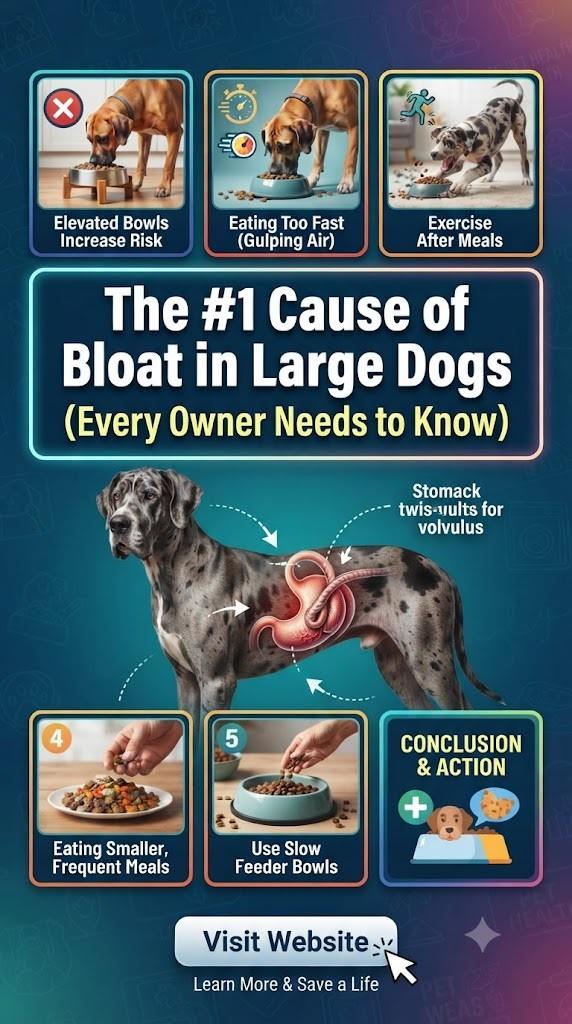
While researchers at institutions like Purdue University have spent decades studying GDV, they have found that while genetics provide the predisposition, the #1 immediate trigger for bloat is Aerophagia (the swallowing of air) caused by rapid ingestion.
When a dog “wolfs down” their food, they aren’t just swallowing kibble; they are gulping massive amounts of air. In large-breed dogs, especially those with deep, narrow chests, the stomach has more room to move and swing. The combination of a heavy, food-filled stomach and a massive “air pocket” created by fast eating creates a pendulum effect. This instability is the primary physical catalyst that allows the stomach to flip.
Why Rapid Eating is So Dangerous
When a dog eats too fast:
- The stomach expands too quickly: The gastric walls are stretched suddenly, which can inhibit the natural muscular contractions (peristalsis) needed to move food into the small intestine.
- Gas production increases: The swallowed air, combined with the rapid fermentation of carbohydrates in some kibbles, creates a high-pressure environment.
- The “Heavy Pendulum”: A heavy, distended stomach is physically unstable. If the dog moves, jumps, or even just turns around quickly after a “speed-feeding” session, gravity can catch the weighted stomach and pull it into a twist.
Secondary Causes and Risk Factors
While rapid eating is the primary behavioral trigger, bloat is a multifactorial condition. Understanding the secondary causes is vital for a holistic prevention plan.
1. Genetics and Anatomy (The Deep-Chest Factor)
The physical shape of a dog is the biggest predictor of risk. Dogs with a high “depth-to-width” ratio in their chest (deep-chested dogs) have more “empty space” in their abdominal cavity. This allows the stomach more room to rotate.
- Top At-Risk Breeds: Great Danes (who have a nearly 40% lifetime risk), Weimaraners, Saint Bernards, Irish Setters, and German Shepherds.
2. Once-a-Day Feeding
Feeding one large meal per day is a major risk factor. A single large meal stays in the stomach longer and weighs it down significantly. This creates a longer “window of risk” for torsion to occur. Dogs fed one meal a day are twice as likely to bloat as those fed two or more smaller meals.
3. The “Raised Bowl” Controversy
For years, owners were told to raise food bowls to prevent bloat. However, a landmark study conducted by Purdue University found that raised bowls actually increased the risk of bloat by 110%. The theory is that eating from an elevated position allows the dog to swallow more air more easily (aerophagia) compared to eating from the ground.
4. Stress and Temperament
Anxious or fearful dogs are at a much higher risk for GDV. Stress affects the way the digestive system moves. A dog that is stressed while eating is more likely to gulp air and experience delayed gastric emptying.
5. Age and Gender
The risk of bloat increases as a dog ages. Specifically, the risk increases by 20% for each year of life. Additionally, male dogs are statistically more likely to experience GDV than females.
Warning Signs: How to Spot Bloat Before It’s Too Late
In a bloat emergency, minutes matter. If you notice these symptoms in your large breed dog, do not wait. Do not give them Gas-X and hope it goes away. Get to an emergency vet immediately.
The “Unproductive Retch”
The most classic sign of bloat is a dog that looks like they need to vomit but nothing comes up. They may produce a small amount of white foam or phlegm, but the stomach contents are trapped by the twist. This is a hallmark sign of torsion.
Distended Abdomen
The stomach may feel hard to the touch or look visibly swollen, like a basketball tucked under the ribs. However, in some deep-chested breeds, the stomach may be tucked up under the ribcage, making the swelling less obvious to the naked eye.
Pacing and Restlessness
A dog in the early stages of bloat cannot get comfortable. They will pace, stand with their legs spread wide, or repeatedly lie down and get back up. They often have a “worried” look in their eyes.
Excessive Drooling
As the stomach twists, the esophagus is often blocked or pinched. The dog cannot swallow their saliva, leading to heavy, stringy drooling.
Pale Gums and Rapid Heartbeat
As the dog enters shock, their gums will turn from a healthy pink to a pale white or grey. Their heart will race as it tries to pump blood through a compressed circulatory system.
How to Prevent Bloat: A 7-Step Action Plan
The good news is that while bloat is terrifying, it is also largely preventable through diligent management.
1. Slow Down the Feeding Process
Since rapid eating is the #1 cause, this is your first line of defense.
- Slow Feeder Bowls: Use a bowl with ridges and mazes that forces the dog to “hunt” for their kibble.
- Snuffle Mats: These fabric mats hide dry food in felt “grass,” making it impossible for the dog to gulp.
- Muffin Tins: If you’re in a pinch, flip a muffin tin upside down and spread the food between the mounds.
2. Divide Meals
Never feed a large breed dog just once a day. Split their daily caloric intake into at least two, or ideally three, smaller meals. This keeps the stomach from becoming overly heavy and reduces gas production.
3. The “No-Exercise” Rule
Implement a strict “rest period” before and after meals. Do not allow your dog to run, jump, or play vigorously for one hour before and two hours after eating. This allows the food to begin the digestion process and settle without the risk of physical movement causing a stomach flip.
4. Ditch the Raised Bowls
Unless your dog has a medical condition like Megaesophagus (which requires an upright feeding position), place their food and water bowls directly on the floor. This encourages a more natural swallowing angle and reduces the amount of air ingested.
5. Avoid High-Fat Foods and Large Quantities of Water
Diets where fat is one of the first four ingredients have been linked to an increased risk of bloat. Additionally, try to prevent your dog from “lapping up” a gallon of water immediately after eating or heavy exercise, as this adds significant weight to the stomach.
6. Manage Stress at Mealtime
If you have multiple dogs, feed them in separate rooms. “Resource guarding” or the fear that another dog will steal their food often drives dogs to eat faster than they naturally would. A calm, quiet environment leads to slower eating and better digestion.
7. Consider Prophylactic Gastropexy (The “Stomach Tack”)
For high-risk breeds like Great Danes or German Shepherds, many veterinarians recommend a preventative surgery called a Gastropexy. During this procedure, the veterinarian surgically attaches the stomach wall to the abdominal wall. This does not prevent the stomach from bloating (filling with gas), but it prevents the stomach from twisting. A “tacked” dog can still get uncomfortable gas, but they are highly unlikely to die from torsion. Many owners have this done at the same time the dog is spayed or neutered.
Myths vs. Facts: Clearing Up Bloat Misconceptions
There is a lot of misinformation on the internet regarding bloat. Let’s set the record straight on a few common myths.
- Myth: Ice water causes bloat.
- Fact: There is no scientific evidence that ice water causes the stomach to cramp and flip. However, drinking large volumes of water too quickly (regardless of temperature) can contribute to bloat.
- Myth: Gas-X (Simethicone) can cure bloat.
- Fact: While Gas-X can help break up small gas bubbles, it is useless once the stomach has twisted (volvulus). You cannot “de-gas” a twisted stomach with a pill.
- Myth: Only “old” dogs get bloat.
- Fact: While the risk increases with age, puppies as young as six months have been known to experience GDV, especially in giant breeds.
What to Do If You Suspect Your Dog Has Bloat
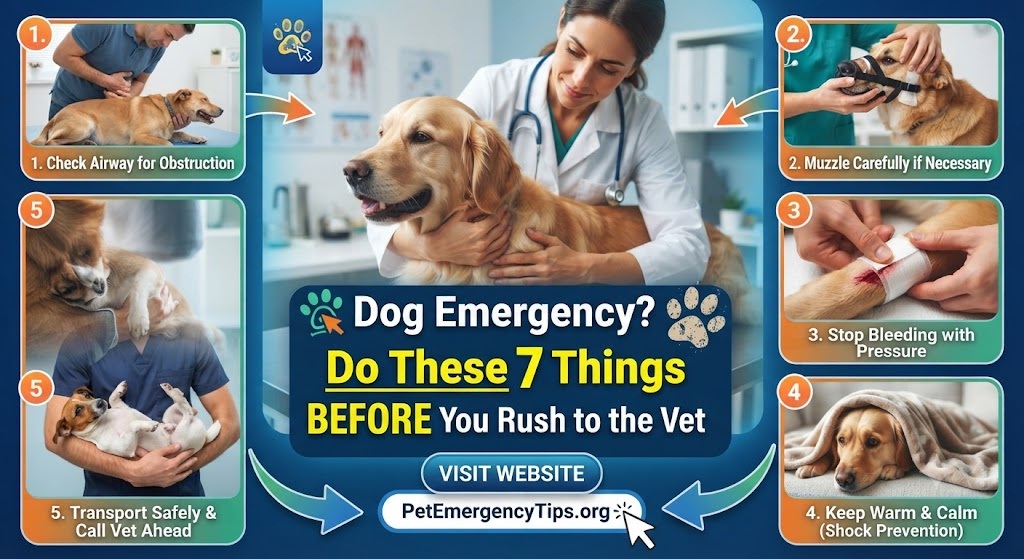
If you see the signs—the retching, the pacing, the hard belly—follow these steps immediately:
- Call the Vet While You Are Driving: Do not wait for an appointment. Tell the clinic: “I have a [Breed] with suspected GDV/Bloat and I am 5 minutes away.” This allows them to prepare the IV fluids and X-ray machine.
- Go to an Emergency Hospital: General clinics may not have the surgical staff or 24-hour monitoring required for bloat recovery. Go to a 24/7 ER facility.
- Do Not Induce Vomiting: Never try to make the dog vomit at home. If the stomach is twisted, nothing can come up, and you will only cause more pain and potentially cause the esophagus to rupture.
The Cost of Bloat: Why Prevention is Better Than the Cure
Treating a case of bloat is not only emotionally taxing but also financially devastating. An emergency GDV surgery can cost anywhere from $3,000 to $8,000, depending on the severity and the amount of stomach tissue that has to be removed. Even with surgery, the survival rate is roughly 80%—meaning 1 in 5 dogs won’t make it home.
Prevention, on the other hand, is nearly free. A $15 slow-feeder bowl and a change in your feeding schedule can save you thousands of dollars and, more importantly, save your best friend’s life.
Final Thoughts: Being Your Dog’s Advocate
As a large breed owner, you are the first line of defense against bloat. While we cannot change a dog’s genetics or the shape of their chest, we can control how they eat, when they exercise, and how we monitor their health.
By focusing on the #1 cause—rapid eating and air ingestion—you are tackling the most significant preventable risk factor. Stay vigilant, watch for the “unproductive retch,” and keep your dog’s mealtime calm and slow. In the world of large breeds, being “proactive” isn’t just a suggestion; it’s a life-saving necessity.
Does your dog eat too fast? Start using a slow feeder today. It might be the most important $15 you ever spend.