
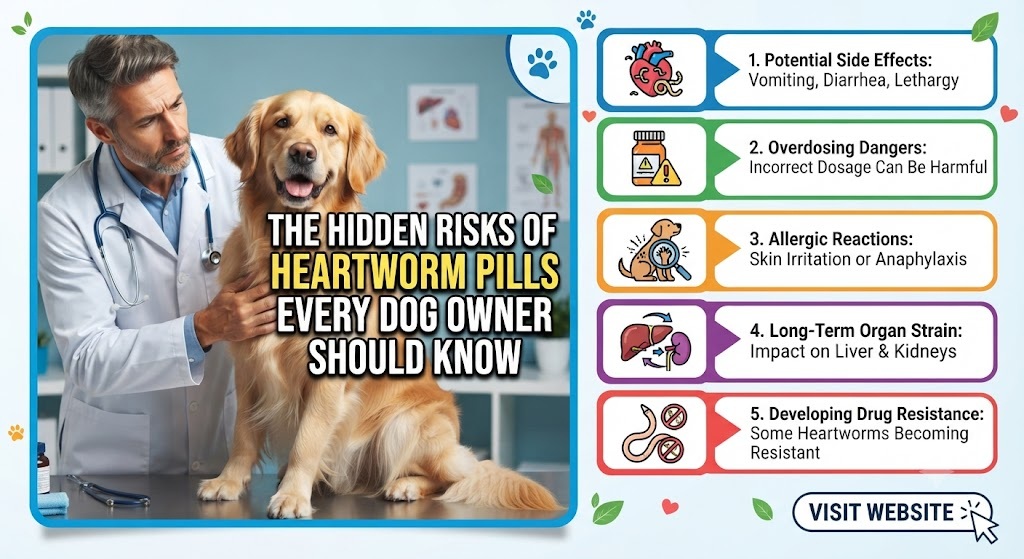
The Heartworm Pill Danger Your Vet Won’t Tell You: Is Your Pet’s Protection Actually a Poison?
As a devoted pet owner, your dog’s health is your top priority. When your veterinarian hands you that flavored chewable tablet or the small vial of topical liquid, they usually frame it as an essential shield—a life-saving necessity to protect your furry friend from the “silent killer” known as heartworm. But what if that shield is a double-edged sword?
In recent years, a growing number of pet owners and holistic veterinarians have begun to question the “one-size-fits-all” approach to heartworm prevention. While the threat of heartworm disease is undeniably real and potentially fatal, the chemicals we use to prevent it are far from benign. Behind the glossy marketing of pharmaceutical giants lies a complex landscape of neurological risks, systemic toxicity, and a regulatory environment that often prioritizes profit over the nuanced health of individual animals.
This is the information that rarely makes it into the five-minute consultation at your local clinic. This is the truth about heartworm pills, the chemicals inside them, and the dangers your vet might not be telling you.
The Heartworm Reality: Understanding the Threat
Left untreated, heartworm causes permanent damage to the arteries, heart failure, and death. It is a gruesome, painful disease. Because the “treatment” for an existing infestation involves injecting an arsenic-based compound (Immiticide) into the dog’s spinal muscles—a process that is both dangerous and expensive—prevention has long been touted as the only logical path.
However, the definition of “prevention” in the veterinary world is slightly misleading. These pills don’t actually “prevent” a mosquito from biting your dog. Instead, they are low-dose insecticides designed to kill any larvae that have already entered your dog’s system in the previous 30 days. Essentially, you are chemically deworming your dog once a month, every month, regardless of whether they have been exposed.
The Chemical Cocktail: What Is Really in That Pill?
Heartworm preventatives are not vitamins; they are neurotoxic pesticides. The most common active ingredients found in popular brands like Heartgard, Interceptor, Sentinel, and Trifexis include:
- Ivermectin: One of the oldest and most common macrocyclic lactones. While effective, it is a known neurotoxin.
- Milbemycin Oxime: Used to kill heartworms and certain intestinal parasites.
- Moxidectin: A potent derivative that stays in the system longer than other options.
- Selamectin: Often used in topical treatments like Revolution.
These chemicals work by paralyzing the nervous system of the heartworm larvae. The underlying assumption is that the dose is low enough to kill the parasite without harming the dog. However, “low enough” is a relative term that ignores the cumulative effect of these toxins over a dog’s lifetime.
The FDA Warning: A Wake-Up Call for Pet Owners
In 2018, the FDA issued a chilling fact sheet warning pet owners and veterinarians about a specific class of drugs often bundled with heartworm medication: Isoxazolines.
While primarily marketed for fleas and ticks, drugs like NexGard, Simparica, and Bravecto are frequently combined with heartworm preventatives (as seen in NexGard Spectra or Simparica Trio). The FDA reported that these drugs are associated with potential adverse events, including:
- Muscle tremors
- Ataxia (loss of balance and coordination)
- Seizures
Many vets continue to prescribe these “combo” pills as a matter of convenience, often downplaying the neurological risks to owners of healthy dogs. The danger is that these chemicals cross the blood-brain barrier, and for some dogs, the results are catastrophic.
The MDR1 Gene: The “White Feet, Don’t Treat” Secret
One of the most critical pieces of information your vet might overlook is the genetic predisposition of certain breeds to drug toxicity. The MDR1 (Multi-Drug Resistance) gene mutation affects many herding breeds, including:
- Collies
- Australian Shepherds
- Shetland Sheepdogs (Shelties)
- Old English Sheepdogs
- German Shepherds
Dogs with this mutation lack a functional protein (P-glycoprotein) responsible for pumping toxins out of the brain. When these dogs take “standard” heartworm medications like Ivermectin, the chemicals can seep into the central nervous system, leading to blindness, seizures, or death.
Even if your dog is a mixed breed, if they have any herding lineage, they could be at risk. Genetic testing for the MDR1 mutation is available, yet it is rarely mandated or even suggested by conventional clinics before starting a lifetime of chemical treatment.
The Cumulative Load: Why “Year-Round” Might Be Overkill
The pharmaceutical industry and the American Heartworm Society (which is heavily funded by the companies that make these drugs) recommend year-round heartworm prevention regardless of where you live. This is where the narrative shifts from medical necessity to marketing strategy.
The heartworm larvae require very specific environmental conditions to develop inside the mosquito before they can be transmitted to a dog. According to the “Heartworm Development Threshold,” the temperature must remain above 57°F (14°C) for approximately 10 to 14 days straight, including through the night.
If you live in a northern climate where temperatures plummet in October and don’t rise until May, the risk of heartworm transmission during those months is virtually zero. By giving a pill in January in Minnesota or Maine, you are introducing neurotoxins into your dog’s bloodstream with absolutely no biological benefit. This cumulative toxic load can tax the liver and kidneys, leading to chronic health issues later in life.
Hidden Side Effects: Beyond the Seizure
While seizures are the most dramatic side effect, they aren’t the only ones. Many dogs suffer from “sub-clinical” toxicity that owners often attribute to aging or “just being a dog.” These include:
- Lethargy and Depression: A noticeable drop in energy for several days after the pill.
- Gastrointestinal Distress: Vomiting, diarrhea, or a loss of appetite.
- Skin Issues: Hot spots, chronic itching, or hives, indicating an immune system under stress.
- Behavioral Changes: Sudden onset of anxiety or aggression linked to neurological irritation.
When these symptoms appear 24 to 48 hours after the “monthly treat,” many owners fail to make the connection. Even more concerning, many vets dismiss these symptoms as coincidental.
The Profit Margin: Why Your Vet Stays Silent
It is uncomfortable to acknowledge, but veterinary medicine is a business. In many traditional clinics, the sale of pharmaceuticals—including heartworm, flea, and tick preventatives—accounts for a significant portion of the annual revenue.
Furthermore, vets are trained within a system that emphasizes “standard of care” protocols. If a vet deviates from the American Heartworm Society’s recommendations and a dog under their care contracts heartworms, the vet could be liable for malpractice. Consequently, it is “safer” for the vet to recommend the chemical route for every dog, regardless of the individual dog’s health status, age, or geographical risk.
The Resistance Problem: Are the Pills Even Working?
Perhaps the most alarming danger your vet won’t tell you is that heartworms are becoming resistant to the very drugs we use to kill them. In the Mississippi Delta region, researchers have identified strains of heartworms that are completely unfazed by Ivermectin and other macrocyclic lactones.
By over-using these chemicals—giving them to every dog, every month, everywhere—we have created “super-worms.” Just as antibiotic overuse has led to resistant bacteria, the “pill for every dog” mentality is rendering our primary defense mechanism useless. If the pill isn’t a 100% guarantee, why are we risking the side effects?
Holistic Alternatives and Safer Protocols
If you are concerned about the risks of conventional heartworm pills, you are not helpless. You can protect your dog without blindly following a chemical-heavy protocol.
1. The 45-Day Rule
Most heartworm medications are labeled for use every 30 days. However, the life cycle of the heartworm larvae from the time of infection to the point where they become “reachable” by the medication is actually longer. Many holistic vets suggest that dosing every 45 days is just as effective while reducing the total chemical load by several doses per year.
2. Seasonal Dosing
Check the climate data for your area. If you live in a region with hard freezes, you may only need to provide prevention from late spring through early autumn. Use tools like the “Heartworm Map” to see when the transmission season actually begins and ends in your specific zip code.
3. Frequent Testing
Instead of the standard annual heartworm test, consider testing your dog every six months. This allows you to catch any potential infection early, making treatment much safer and more successful. If you are opting for a reduced chemical protocol, frequent testing is your safety net.
4. Natural Mosquito Repellents
The best way to prevent heartworm is to prevent the mosquito bite in the first place.
- Neem Oil: A powerful, natural repellent safe for dogs.
- Essential Oils: Properly diluted cedarwood, lemongrass, or geranium oils can be applied to the coat before walks.
- Environment: Ensure there is no standing water in your yard and avoid walking your dog at dusk and dawn when mosquitoes are most active.
5. Immune System Support
A healthy dog with a robust immune system is a less hospitable host for parasites. Feeding a fresh, whole-food diet and avoiding unnecessary vaccinations can help the body’s natural defenses function at their peak.
How to Talk to Your Vet
You don’t have to be combative, but you should be an advocate. If you want to change your dog’s heartworm protocol, ask your vet the following questions:
- “Given the climate in our specific area, what are the actual months of transmission risk?”
- “Can we run a blood panel to check my dog’s liver and kidney function before we start this season’s prevention?”
- “Since my dog is [Breed Name], should we test for the MDR1 mutation before using an Ivermectin-based product?”
- “What is the clinic’s protocol if my dog has a neurological reaction to this medication?”
A good vet will welcome these questions and work with you to find a balance between protection and toxicity.
Conclusion: Weighing the Risk vs. The Reward
The danger of heartworm pills isn’t that they don’t work—it’s that they are often prescribed with a “no-risk” guarantee that simply doesn’t exist. For some dogs, these pills are the difference between life and death. For others, they are a ticking time bomb of neurological distress and systemic inflammation.
As a pet owner, you have the right to know what is going into your dog’s body. You have the right to question the “year-round” narrative. By understanding the chemistry, the genetics, and the environmental factors at play, you can move away from fear-based decisions and toward a protocol that keeps your dog safe from worms and safe from the “protection” meant to kill them.
Your dog trusts you to be their voice. Make sure you’re asking the questions your vet might be leaving unanswered.