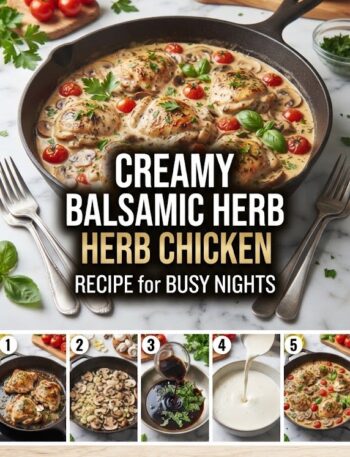

In the world of home cooking, there is a constant search for the “holy grail” of recipes: a dish that feels sophisticated enough for a dinner party but is simple enough to whip up on a Tuesday evening after a long day at work. Enter the Creamy Chicken Cutlets with Tomato Basil Sauce.
This dish is a masterclass in balance. You have the structural integrity of a perfectly seared, golden-brown chicken cutlet, the bright acidity of tomatoes, the aromatic sweetness of fresh basil, and a luxurious, velvety cream sauce that ties everything together. It is a recipe that commands attention at the table and leaves everyone reaching for a piece of crusty bread to swipe up every last drop of sauce.
In this comprehensive guide, we will dive deep into why this recipe works, the science behind the perfect sear, how to select the best ingredients, and a step-by-step process to ensure culinary success every single time.
Why This Recipe Is a Game-Changer
What sets this Creamy Chicken Cutlet recipe apart from the thousands of other chicken recipes on the internet? It comes down to three pillars: texture, timing, and technique.
- The Texture: Many cream-based chicken dishes result in “soggy” meat. By using the cutlet method and high-heat searing, we ensure the chicken maintains a satisfying crust that stands up to the sauce.
- The Timing: This is a true one-pan meal. From the moment you slice your chicken to the moment you garnish with basil, you are looking at approximately 30 minutes. It respects your time without sacrificing flavor.
- The Technique: We utilize the fond—those little brown bits stuck to the bottom of the pan after searing the chicken. This is concentrated flavor, and by deglazing the pan to build our tomato basil sauce, we ensure that every ounce of savoriness is incorporated into the final dish.
The Anatomy of the Perfect Chicken Cutlet
Before we heat the pan, we must address the chicken itself. Most people grab a standard chicken breast and toss it in the pan. This is a mistake. Standard breasts are uneven in thickness, leading to the narrow end being overcooked and dry while the thick end remains raw.
The Art of the Cutlet
To achieve the best results, you must transform your chicken breasts into cutlets. This can be done in two ways:
- Slicing: Use a sharp chef’s knife to slice the breast horizontally (butterfly style) to create two thinner pieces.
- Pounding: Place the chicken between two sheets of plastic wrap and use a meat mallet or a heavy skillet to pound the meat to an even thickness (about 1/2 inch).
An even thickness ensures that every part of the chicken cooks at the same rate, resulting in a juicy, tender bite every time.
Essential Ingredients for Maximum Flavor
To make this dish “Google-rank” worthy in your own kitchen, quality is paramount. Here is a breakdown of what you need and why:
1. The Chicken
Use organic or air-chilled chicken breasts if possible. Air-chilled chicken has less water content, which means it will sear better rather than “steaming” in the pan.
2. The Tomatoes
You have options here. Fresh cherry tomatoes offer a bright, acidic pop. However, for a deeper, more concentrated Mediterranean flavor, a combination of fresh tomatoes and oil-packed sun-dried tomatoes is the secret weapon of pro chefs.
3. The Cream
Heavy cream (or double cream) is essential. Lower-fat alternatives like whole milk or half-and-half are prone to curdling when they hit the acidic tomato base. The high fat content in heavy cream creates a stable emulsion that stays smooth and luscious.
4. Fresh Basil
Do not use dried basil for this recipe. Dried basil has an earthy, almost minty flavor that lacks the peppery, sweet punch of fresh leaves. We add the basil at the very end to preserve its vibrant green color and delicate oils.
5. Aromatics: Garlic and Shallots
While onions work, shallots offer a more refined, subtle sweetness that doesn’t overpower the cream. Freshly minced garlic provides the backbone of the sauce’s aroma.
Step-By-Step Instructions: The Master Method
Phase 1: Preparation and Searing
- Dredge Lightly: Season your cutlets with salt and pepper. Lightly dredge them in all-purpose flour. This flour does two things: it helps create a golden crust and acts as a subtle thickener for the sauce later on.
- The High-Heat Sear: Heat a large stainless steel or cast-iron skillet over medium-high heat with a tablespoon of olive oil and a knob of butter. Once the butter is foaming, add the chicken.
- Don’t Crowd the Pan: Cook in batches if necessary. You want a hard sear—about 3-4 minutes per side. Remove the chicken and set it aside on a plate. It doesn’t need to be 100% cooked through yet; it will finish in the sauce.
Phase 2: Building the Sauce Base
- Sauté Aromatics: In the same pan (don’t wash it!), add your minced shallots and tomatoes. The moisture from the tomatoes will start to loosen the brown bits (fond) from the bottom.
- Add Garlic: Add the garlic after the shallots have softened to prevent it from burning and turning bitter.
- Deglaze: Add a splash of dry white wine (like Pinot Grigio) or chicken broth. Use a wooden spoon to scrape the bottom of the pan vigorously.
Phase 3: The Creamy Finish
- Emulsify: Lower the heat to medium. Pour in the heavy cream and a handful of grated Parmesan cheese. Stir constantly as the cheese melts and the sauce begins to thicken.
- Simmer: Let the sauce simmer gently for 2-3 minutes. You’ll notice the color shifting to a beautiful pale orange as the tomato juices mingle with the cream.
- Reunite: Place the chicken cutlets (and any juices that pooled on the plate) back into the pan. Let them simmer in the sauce for another 2-4 minutes until the internal temperature reaches 165°F (74°C).
Phase 4: The Final Flourish
- Basil Integration: Turn off the heat. Stir in a generous amount of chiffonade (thinly sliced) basil.
- Seasoning Check: Taste the sauce. Does it need more salt? A crack of black pepper? A squeeze of lemon juice can also brighten the flavors if the cream feels too “heavy.”
Pro-Tips for Culinary Excellence
- Room Temperature Meat: Take your chicken out of the fridge 15 minutes before cooking. Cold meat hits a hot pan and drops the temperature immediately, preventing a good sear.
- The “Cold Butter” Trick: For a restaurant-quality glossy finish, whisk in a tablespoon of cold butter right before serving. This technique, known as monter au beurre, gives the sauce a professional sheen.
- Acid Balance: If your sauce tastes a bit flat, it’s likely lacking acidity. A teaspoon of balsamic vinegar or a squeeze of lemon can make the tomato flavors sing.
Recipe Variations to Suit Every Palate
While the classic version is hard to beat, this recipe is incredibly versatile:
- The Keto/Low-Carb Version: Skip the flour dredging. Sear the chicken seasoned only with salt, pepper, and garlic powder. The heavy cream and cheese are already keto-friendly!
- The Spicy Kick: Add half a teaspoon of red pepper flakes when sautéing the garlic. The heat pairs beautifully with the cooling cream.
- The Spinach Boost: Stir in two cups of baby spinach at the very end. It will wilt into the sauce in seconds and add a boost of iron and color.
- Dairy-Free Alternative: Use full-fat canned coconut milk instead of heavy cream and nutritional yeast instead of Parmesan. While the flavor profile changes, it remains delicious.
What to Serve with Creamy Tomato Basil Chicken
This dish is saucy, which means you need a vehicle to soak up that liquid gold.
- Pasta: A long pasta like Linguine or Fettuccine is traditional. The sauce clings perfectly to the strands.
- Mashed Potatoes: For the ultimate comfort meal, serve the cutlets over garlic-infused mashed potatoes.
- Crusty Bread: A warm baguette or ciabatta is essential for “cleaning” the plate.
- Zucchini Noodles (Zoodles): For a lighter, grain-free option, lightly sautéed zucchini noodles provide a fresh crunch that cuts through the richness of the sauce.
- Roasted Asparagus: The earthiness of roasted asparagus complements the sweet basil and creamy sauce beautifully.
The Science of the “One-Pan” Wonder
Why does cooking everything in one pan taste better? It’s not just about fewer dishes to wash. It’s about layering flavors.
When you sear chicken, proteins and sugars undergo the Maillard Reaction, creating complex savory notes. By making the sauce in that same pan, those molecules dissolve into the cream. This creates a “flavor bridge” between the meat and the sauce. If you were to cook the sauce in a separate pot, the dish would taste disjointed—the chicken and the sauce would feel like two separate entities rather than a cohesive meal.
Storing and Reheating
If you are lucky enough to have leftovers, this dish keeps remarkably well.
- Storage: Keep in an airtight container in the refrigerator for up to 3 days.
- Reheating: This is the tricky part. Cream sauces can “split” (separate into oil and solids) if heated too quickly. The best way to reheat is in a skillet over low heat. Add a splash of water or milk to loosen the sauce as it warms up. Avoid the microwave if possible, as it tends to make the chicken rubbery.
Common Mistakes to Avoid
- Using Dried Basil: As mentioned, it simply doesn’t provide the same aromatic profile. If you can’t find fresh basil, fresh parsley is a better substitute than dried basil.
- Overcooking the Garlic: Garlic burns in seconds. Once it turns dark brown, it becomes bitter and can ruin the entire sauce. Always add it last among your aromatics.
- Using a Non-Stick Pan for Searing: While non-stick is great for eggs, it’s not ideal for this recipe. You want the chicken to stick just a little bit to create that “fond” on the bottom of the pan. Stainless steel or cast iron is the way to go.
- Not Reducing the Sauce: If your sauce is too watery, let it simmer a bit longer before adding the chicken back in. It should be thick enough to coat the back of a spoon.
Frequently Asked Questions (FAQs)
Q: Can I use chicken thighs instead of breasts? A: Absolutely! Boneless, skinless chicken thighs are very forgiving and stay even juicier than breasts. They will require a few extra minutes of cooking time during the searing phase.
Q: What wine is best for the sauce? A: A dry white wine is best. Think Sauvignon Blanc, Pinot Grigio, or an un-oaked Chardonnay. Avoid sweet wines like Riesling, as they will make the sauce cloying.
Q: Can I make this ahead of time? A: You can prep the chicken and chop the aromatics 24 hours in advance. However, the sauce is best served fresh. If you must make it ahead, store the sauce and chicken separately and combine them while reheating.
Q: Is this dish gluten-free? A: To make it gluten-free, simply use a gluten-free all-purpose flour blend for dredging or omit the flour entirely. The sauce will still thicken slightly due to the Parmesan and cream reduction.
Nutritional Highlights
While this is a decadent “comfort food” dish, it offers significant nutritional value:
- High Protein: Chicken breast is one of the leanest and most efficient sources of protein.
- Lycopene: Found in cooked tomatoes, lycopene is a powerful antioxidant linked to heart health.
- Fresh Herbs: Basil contains essential oils like eugenol, which has anti-inflammatory properties.
By balancing the rich cream sauce with a side of steamed greens or a crisp salad, you can enjoy this meal as part of a balanced diet.
Conclusion: Why You’ll Make This Again and Again
The Creamy Chicken Cutlets with Tomato Basil Sauce is more than just a recipe; it’s a reliable tool in your culinary arsenal. It teaches the fundamentals of pan-searing, deglazing, and sauce reduction—skills that translate to hundreds of other dishes.
The first time you pull this pan off the stove, with the steam rising and the scent of fresh basil filling your kitchen, you’ll realize why it’s destined to be a family favorite. It looks like a dish from a high-end Italian bistro, but it carries the soul and warmth of home cooking.
Whether you’re cooking for a partner, your family, or just treating yourself to a high-quality meal, these chicken cutlets deliver on every promise. They are juicy, crunchy, creamy, and bright.
Give this recipe a try tonight, and don’t forget to have the bread ready—the sauce is the real star of the show!
Cooking Checklist
- Chicken breasts pounded to 1/2 inch thickness.
- Fresh basil leaves (enough for a handful of chiffonade).
- Heavy cream (not milk or half-and-half).
- High-quality Parmesan cheese (freshly grated).
- A dry white wine or high-quality chicken stock for deglazing.
- A large, heavy-bottomed skillet.
Final Thoughts on Presentation
To truly elevate this dish, serve it in the pan you cooked it in (if using an attractive cast iron or stainless steel skillet). This “rustic-chic” presentation keeps the food hot and allows everyone to dig in family-style. Garnish with an extra sprinkle of Parmesan and a few whole basil leaves on top to signal the freshness of the ingredients. Enjoy your new favorite chicken dinner!