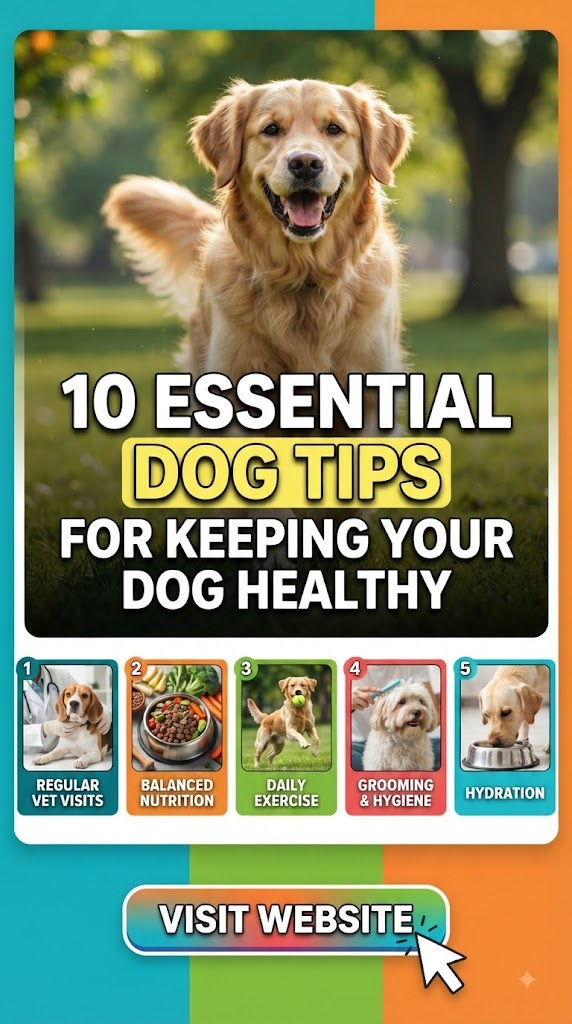
Keeping your dog healthy requires more than simply providing food and shelter. A happy, healthy dog needs proper nutrition, regular exercise, preventive veterinary care, good hygiene, mental stimulation, and plenty of love and attention. By developing healthy daily habits and paying attention to changes in your dog’s behavior or appearance, you can help your companion enjoy a longer, happier, and more comfortable life.
1. Provide a Balanced and Nutritious Diet
Good health starts with proper nutrition. Choose a high-quality dog food that is appropriate for your dog’s age, size, breed, activity level, and individual nutritional needs. Puppies, adult dogs, senior dogs, and dogs with certain health conditions may require different types of diets.
Avoid feeding excessive treats or table scraps, as too many calories can contribute to obesity. Some human foods can also be harmful or toxic to dogs. Always provide access to fresh, clean drinking water throughout the day.
If you are considering changing your dog’s diet, do so gradually rather than making a sudden switch. When in doubt about the best food or portion size, consult your veterinarian.
2. Maintain a Healthy Weight
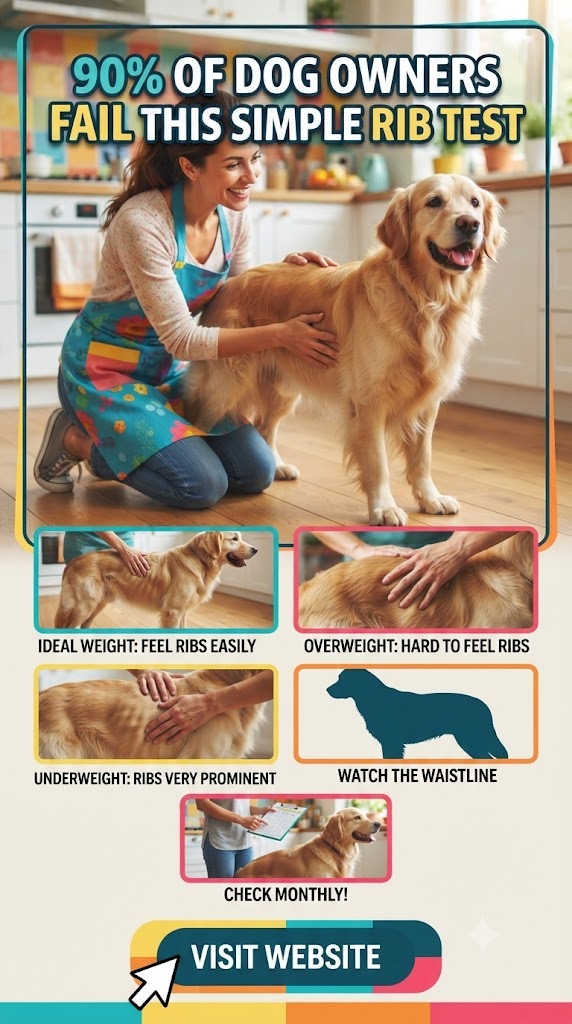
Maintaining an appropriate body weight is one of the most important ways to protect your dog’s long-term health. Being overweight can place additional stress on the joints and may increase the risk of various health problems.
Measure your dog’s meals instead of simply filling the bowl without considering portion size. Treats should also be included in your dog’s overall daily calorie intake.
Regularly check your dog’s body condition and discuss their ideal weight with a veterinarian. Your dog’s nutritional needs may change as they grow older or become more or less active.
3. Make Exercise Part of the Daily Routine
Dogs need regular physical activity to stay fit and mentally stimulated. The appropriate amount of exercise depends on factors such as age, breed, size, health, and energy level.
Daily walks, supervised outdoor play, retrieving games, swimming when appropriate, and other activities can help keep your dog active. Some energetic breeds may need considerably more exercise than others.
Exercise should be introduced according to your dog’s abilities. Puppies, senior dogs, and dogs with medical conditions may need shorter or gentler activities.
4. Schedule Regular Veterinary Checkups
Routine veterinary examinations can help detect health problems before they become serious. Even when your dog appears perfectly healthy, regular checkups allow a veterinarian to monitor their weight, teeth, heart, skin, joints, and general condition.
Your veterinarian can also recommend an appropriate vaccination schedule, parasite prevention program, dental-care routine, and other preventive measures based on your dog’s individual circumstances.
Do not wait until your dog is seriously ill before seeking veterinary advice. Early attention can make many conditions easier to manage.
5. Keep Vaccinations and Preventive Care Up to Date
Vaccinations help protect dogs from several potentially serious infectious diseases. Your veterinarian can determine which vaccines your dog needs and how frequently they should be administered.
Parasite prevention is also important. Depending on where you live and your dog’s lifestyle, your veterinarian may recommend protection against parasites such as fleas, ticks, heartworms, and intestinal worms.
Never use a medication or parasite treatment without checking that it is safe and appropriate for your dog.
6. Take Care of Your Dog’s Teeth
Dental health is often overlooked, but it is an important part of overall canine health. Plaque and tartar can build up on the teeth and contribute to gum disease and discomfort.
Regular brushing with toothpaste specifically designed for dogs can help maintain oral hygiene. Human toothpaste should not be used unless specifically directed by a veterinarian.
Your veterinarian can also examine your dog’s mouth during routine visits and recommend professional dental care when necessary.
7. Maintain Good Grooming and Hygiene
Regular grooming helps keep your dog comfortable and allows you to notice unusual changes early. Brush your dog’s coat according to its type and grooming requirements. Some dogs need frequent brushing to prevent mats and tangles, while others require less frequent grooming.
Keep nails at an appropriate length and clean your dog when necessary. Bathing frequency depends on the dog’s coat, skin, lifestyle, and individual needs.
During grooming, check the skin, ears, paws, and coat for unusual lumps, irritation, wounds, parasites, or other changes. If you notice something concerning, contact your veterinarian.
8. Protect Your Dog From Extreme Weather
Dogs can be affected by both excessive heat and cold. During hot weather, provide plenty of fresh water and access to shade or a cool indoor environment. Avoid strenuous exercise during the hottest part of the day.
Hot pavement can also injure a dog’s paw pads. In cold conditions, some dogs may need additional protection, particularly small, short-haired, elderly, or medically vulnerable dogs.
Never leave a dog unattended in a parked vehicle, especially during warm weather.
9. Provide Mental Stimulation
Physical exercise is only one part of a dog’s well-being. Dogs also need opportunities to use their brains and engage with their environment.
Interactive toys, puzzle feeders, scent games, training sessions, supervised exploration, and age-appropriate play can provide valuable mental stimulation.
Teaching basic commands and rewarding desirable behavior can strengthen communication between you and your dog while making everyday life easier and more enjoyable.
10. Give Your Dog Social Interaction
Dogs are social animals, and many benefit from positive interaction with people and, when appropriate, other dogs. Spend quality time with your dog through walks, play, training, grooming, and calm companionship.
Socialization should be safe and appropriate for your individual dog. A dog’s temperament, previous experiences, health, and comfort level should always be considered.
Avoid forcing interactions that make your dog frightened or uncomfortable.
11. Create a Safe Home Environment
A healthy dog also needs a safe environment. Keep potentially dangerous substances, medications, chemicals, and unsafe objects out of your dog’s reach.
Secure foods that may be harmful to dogs and be careful with small objects that could become choking hazards. Keep electrical cords and other household dangers inaccessible.
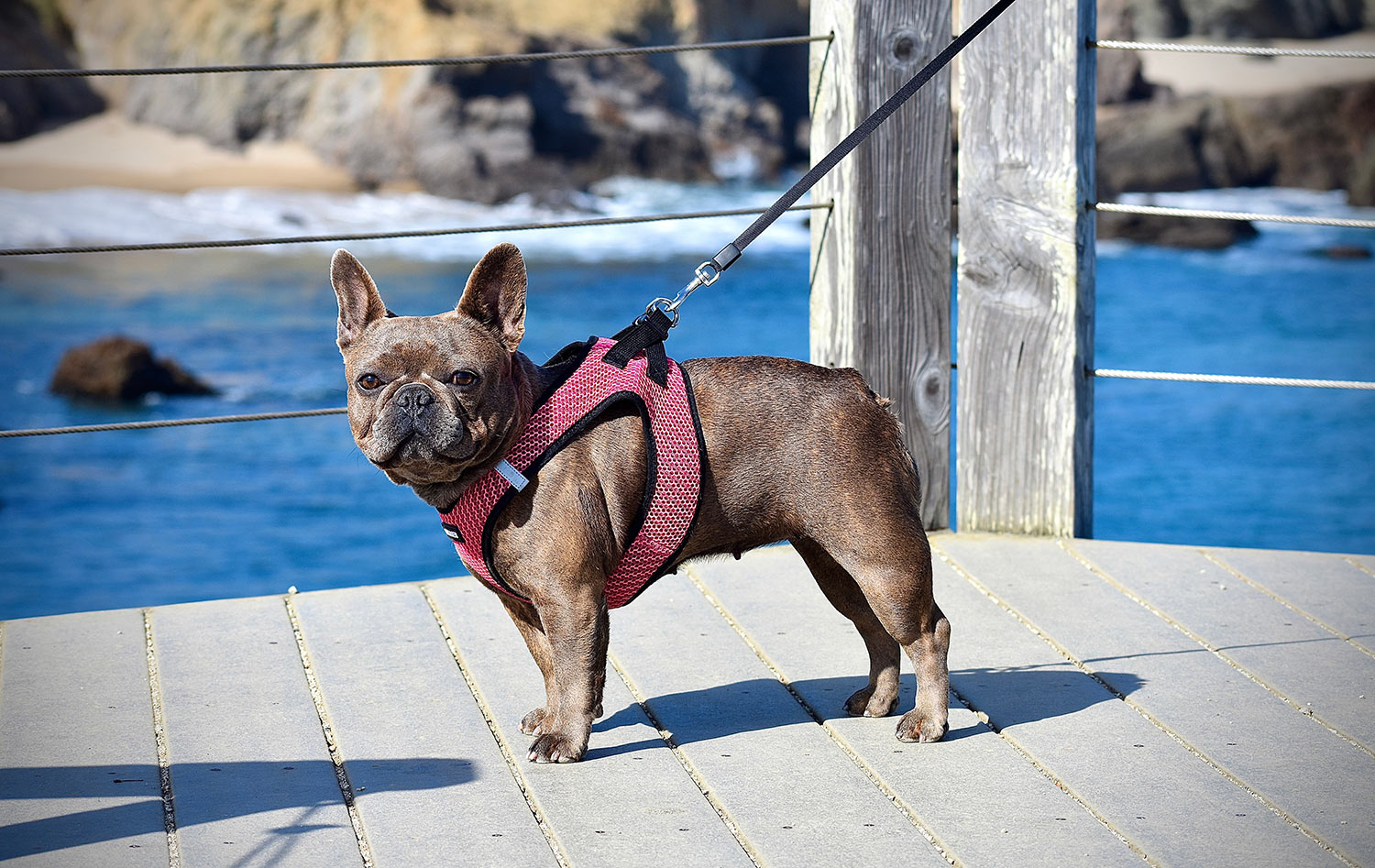
Outside the home, make sure your dog is properly identified and supervised. A secure collar or harness, identification information, and appropriate microchipping can help improve the chances of being reunited if your dog becomes lost.
12. Learn to Recognize Changes in Behavior
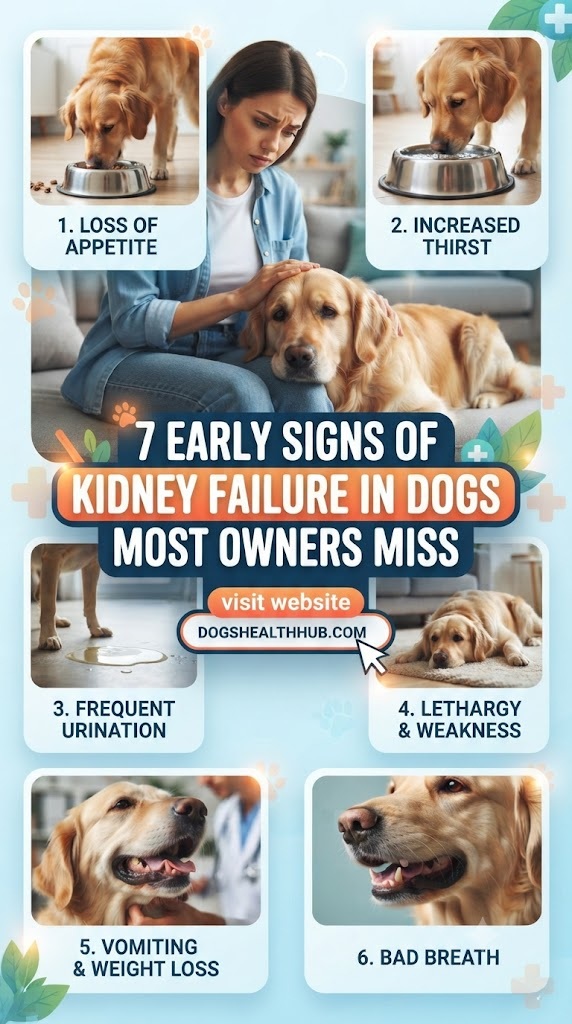
You know your dog’s normal behavior better than anyone. Changes such as unusual tiredness, loss of appetite, excessive drinking, changes in bathroom habits, persistent coughing, vomiting, diarrhea, limping, excessive scratching, or unusual aggression can sometimes indicate an underlying problem.
Pay attention to changes that persist, worsen, or occur alongside other symptoms. When you are concerned about your dog’s health, seek professional veterinary advice rather than trying to diagnose the problem yourself.
13. Support Healthy Sleep and Rest
Dogs need adequate rest and sleep. Provide a comfortable, quiet, and safe place where your dog can relax without constant disturbance.
Puppies and older dogs may require particularly large amounts of sleep. A consistent daily routine can help dogs feel secure and make it easier for them to get sufficient rest.
14. Keep Your Dog’s Environment Clean
Regularly clean food and water bowls, bedding, crates, toys, and other frequently used items. Good hygiene can help reduce unpleasant odors and the buildup of dirt and microorganisms.
Outdoor areas should also be maintained responsibly. Promptly cleaning up after your dog helps keep the environment cleaner and reduces the spread of certain parasites and diseases.
15. Give Plenty of Love and Attention
Emotional well-being is an important part of a dog’s overall quality of life. Dogs benefit from companionship, affection, positive reinforcement, play, and a predictable routine.
Spend time observing your dog and learning their individual personality. Understanding what makes your dog comfortable, excited, nervous, or relaxed can help you provide better care.
16. Prepare for Different Life Stages
Your dog’s needs will change throughout its life. Puppies require appropriate nutrition, vaccination, socialization, training, and careful supervision. Adult dogs generally need consistent exercise, preventive healthcare, and a balanced diet.
Senior dogs may require adjustments in diet, exercise, sleeping arrangements, and veterinary monitoring. Regular checkups become particularly valuable as dogs age because some age-related problems can develop gradually.
17. Have an Emergency Plan
It is wise to prepare for unexpected situations. Keep your veterinarian’s contact information readily available and know where you can obtain emergency veterinary care when your regular clinic is closed.
A basic pet first-aid kit can also be useful, but first aid should not replace professional veterinary treatment when a dog is seriously injured or ill.
Final Thoughts
Keeping a dog healthy is a long-term commitment, but it does not have to be complicated. A nutritious diet, regular exercise, preventive veterinary care, dental and grooming routines, mental stimulation, a safe environment, and loving companionship provide a strong foundation for your dog’s well-being.
Most importantly, pay attention to your dog. Regularly observing their appetite, energy, weight, behavior, coat, teeth, and bathroom habits can help you notice changes early. Every dog is different, so healthcare, nutrition, exercise, and preventive-care plans should be tailored to the individual dog with guidance from a qualified veterinarian.
With consistent care and attention, you can give your dog the best possible opportunity to remain active, comfortable, and happy throughout every stage of life.