
Keeping your dog healthy is about much more than providing food and shelter. Dogs depend on their owners for proper nutrition, exercise, preventive care, grooming, mental stimulation, and regular veterinary attention. By understanding your dog’s basic health needs and paying attention to changes in behavior, you can help your pet live a longer, healthier, and happier life.
1. Provide a Balanced, Nutritious Diet
Good health starts with proper nutrition. Feed your dog a complete and balanced diet that is appropriate for their age, size, activity level, and individual needs. Puppies, adult dogs, senior dogs, and pregnant or nursing dogs may require different nutritional profiles.
Avoid feeding excessive table scraps or foods that can be harmful to dogs, such as chocolate, grapes and raisins, onions, garlic, xylitol, and alcohol. Treats should make up only a small portion of your dog’s daily food intake. Always provide access to fresh, clean drinking water.
If your dog has allergies, digestive problems, obesity, or another special dietary requirement, ask a veterinarian about the most appropriate food.
2. Schedule Regular Veterinary Checkups
Regular veterinary examinations are one of the most effective ways to protect your dog’s health. Even when a dog appears perfectly healthy, routine checkups can help identify problems before they become serious.
Your veterinarian can assess your dog’s weight, teeth, heart, skin, joints, and overall condition. They can also recommend appropriate vaccinations, parasite prevention, screening tests, and other preventive care based on your dog’s age and lifestyle.
Older dogs may benefit from more frequent examinations because certain health problems become more common with age.
3. Keep Vaccinations Up to Date
Vaccinations help protect dogs from several serious and potentially life-threatening infectious diseases. Your dog’s vaccination schedule should be based on factors such as age, location, lifestyle, exposure risk, and local veterinary recommendations.
Puppies generally require a series of vaccinations during their early months, while adult dogs may need boosters at recommended intervals.
Keep a record of your dog’s vaccinations and discuss the appropriate schedule with your veterinarian.
4. Give Your Dog Regular Exercise
Physical activity is essential for maintaining a healthy body and mind. Regular exercise can help dogs maintain a healthy weight, strengthen muscles, support cardiovascular health, and reduce boredom.
The right amount of exercise varies depending on breed, age, health, size, and energy level. Some dogs may enjoy long walks and active games, while others may require shorter, gentler activities.
Watch your dog during exercise for signs of excessive fatigue, difficulty breathing, weakness, or overheating. During hot weather, exercise should be adjusted to reduce the risk of heat-related illness.
5. Maintain Good Dental Hygiene
Dental health is often overlooked, but it is an important part of your dog’s overall well-being. Plaque and tartar can build up on the teeth and contribute to gum disease, bad breath, pain, and other health problems.
Regular brushing with toothpaste specifically designed for dogs can help reduce plaque. Never use human toothpaste unless a veterinarian specifically advises it, because some human products contain ingredients that can be dangerous to dogs.
Regular veterinary dental examinations are also important. Your veterinarian can identify dental problems that may not be obvious at home.
6. Protect Your Dog From Fleas, Ticks, and Worms
Parasites can cause discomfort and may transmit serious diseases. Fleas can cause itching and skin irritation, while ticks can transmit infections. Internal parasites, including certain intestinal worms, can also affect a dog’s health.
Use parasite-prevention products recommended by your veterinarian. The appropriate product depends on your dog’s age, weight, health, lifestyle, and geographic location.
Do not use a product intended for another animal or apply medication without checking that it is safe for your dog.
7. Groom Your Dog Regularly
Regular grooming helps keep your dog’s skin and coat healthy and gives you an opportunity to notice unusual changes.
Depending on the breed and coat type, your dog may need regular brushing, bathing, nail trimming, ear care, and professional grooming.
While grooming, look for lumps, wounds, parasites, irritated skin, unusual odors, hair loss, or other changes. If you notice something unusual, discuss it with your veterinarian.
8. Help Your Dog Maintain a Healthy Weight
Obesity can negatively affect a dog’s quality of life and may increase the risk of several health problems. Maintaining an appropriate weight can help reduce unnecessary stress on the joints and support mobility and overall health.
Measure meals rather than feeding unlimited amounts, and be mindful of calories from treats and snacks. Your veterinarian can help determine whether your dog’s weight is appropriate and recommend a suitable feeding and exercise plan.
Never put an overweight dog on a strict weight-loss diet without professional guidance, particularly if the dog has an underlying medical condition.
9. Pay Attention to Changes in Behavior
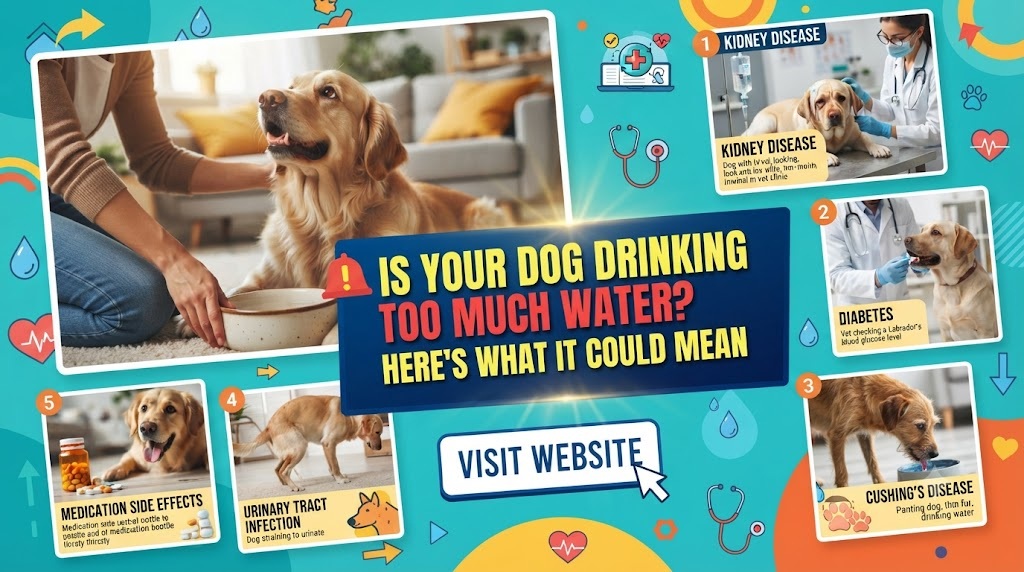
You know your dog’s normal habits better than anyone. Changes in appetite, drinking, sleep, energy, bathroom habits, movement, or behavior can sometimes indicate an underlying health problem.
Potential warning signs include persistent vomiting or diarrhea, difficulty breathing, severe lethargy, unexplained weight loss, significant changes in appetite or thirst, persistent coughing, seizures, difficulty walking, or signs of pain.
Some symptoms require urgent veterinary attention. If your dog suddenly becomes very ill, has trouble breathing, collapses, experiences a seizure, suffers a serious injury, or may have consumed something toxic, contact a veterinarian or emergency veterinary service immediately.
10. Give Your Dog Mental Stimulation and a Safe Environment
A healthy dog needs mental and emotional well-being as well as physical health. Boredom and lack of stimulation can contribute to unwanted behaviors and stress.
Provide age-appropriate toys, training sessions, interactive games, opportunities to explore, and positive social experiences. Training also helps strengthen communication and the bond between you and your dog.
At home, keep medications, cleaning products, toxic foods, chemicals, and other dangerous substances out of your dog’s reach. Make sure your dog has access to a comfortable, secure place to rest and is protected from extreme temperatures.
Final Thoughts
Taking care of a dog’s health is a daily responsibility, but small habits can make a significant difference. Providing nutritious food, regular exercise, dental care, grooming, parasite prevention, vaccinations, veterinary checkups, and mental stimulation can help support your dog’s overall well-being.
Most importantly, learn what is normal for your individual dog. When you notice a significant or persistent change, don’t ignore it. Early veterinary evaluation can sometimes identify health problems before they become more serious.
A healthy dog is not simply one that looks happy on the outside. Good health involves the whole animal—body, mind, nutrition, behavior, and preventive care. With responsible care and regular veterinary guidance, you can give your dog the best possible chance of enjoying a long, active, and happy life.