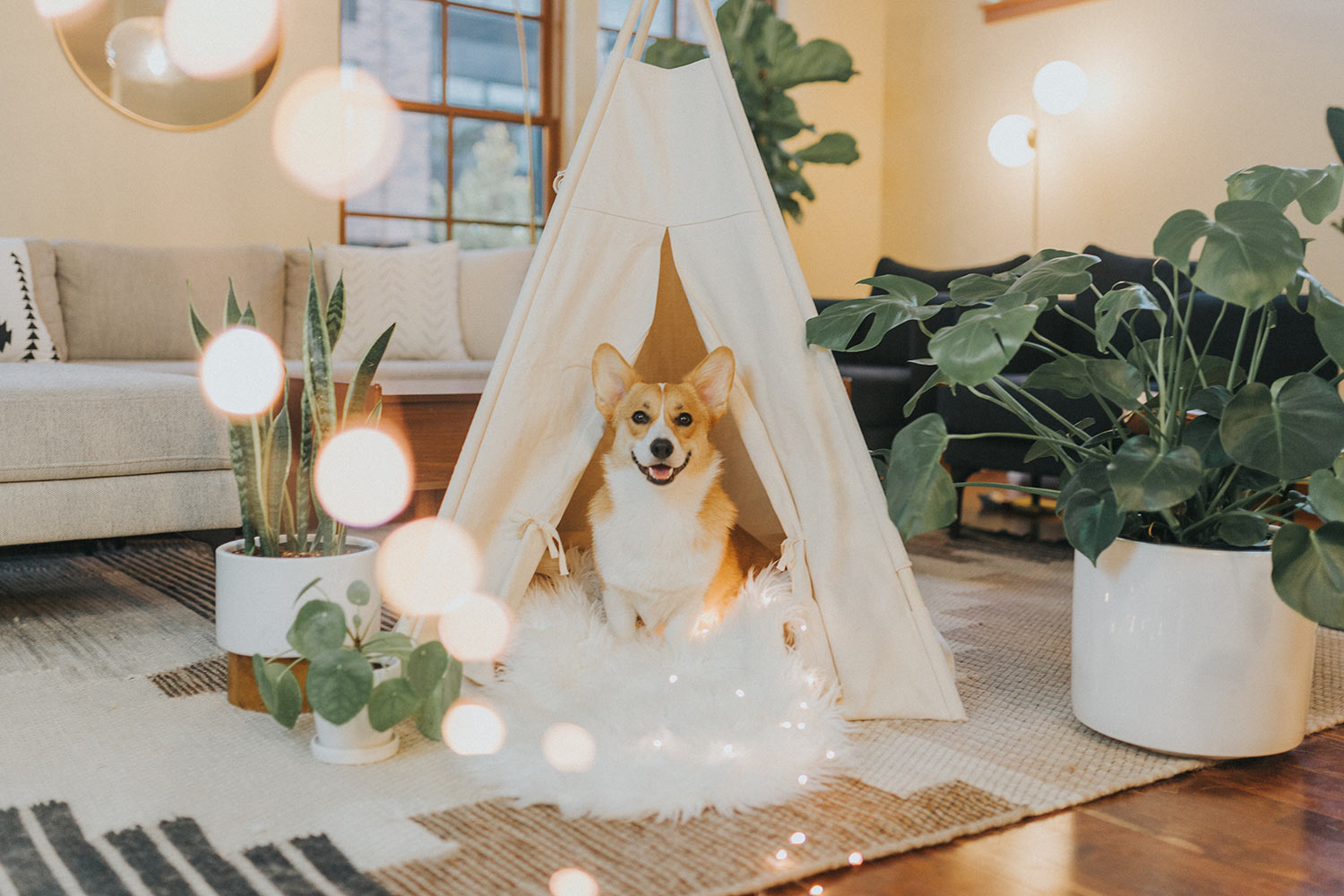
Shhh! 15 Dog Breeds That Hardly Ever Bark: The Ultimate Guide to Quiet Canine Companions
For many prospective dog owners, the dream of a furry companion is often dampened by the reality of noise. Whether you live in a thin-walled apartment, work from home and need to focus, or simply value a peaceful household, a vocal dog can be a significant challenge. While every dog has the capacity to bark—it is, after all, their primary form of communication—certain breeds are genetically and temperamentally predisposed to silence.
In this comprehensive guide, we explore 15 dog breeds that are famously quiet. From “barkless” ancient hounds to gentle giants who prefer a stoic gaze over a loud alert, these breeds offer the companionship you crave without the decibel levels of a megaphone.
1. The Basenji: The Original “Barkless” Dog
The Basenji is perhaps the most famous breed on this list, often referred to as the “barkless dog.” Originating from central Africa, this ancient breed was used for hunting and needed to remain stealthy.
Why They Are Quiet
The Basenji’s lack of barking isn’t just a personality trait; it’s physiological. Their larynx is shaped differently than other dogs, making a traditional “woof” physically impossible. Instead of barking, they produce a unique sound often described as a “yodel” or a “barroo.”
Temperament and Care
Basenjis are known for being cat-like. They are independent, fastidious about cleaning themselves, and can be quite aloof with strangers. While they won’t bark at the mailman, they do require significant mental stimulation and exercise. An under-stimulated Basenji may not bark, but they will certainly find other ways to voice their boredom—usually by chewing your favorite shoes.
2. The Greyhound: The 45-MPH Couch Potato
When people think of Greyhounds, they often imagine them racing around a track. However, owners know them as the ultimate “couch potatoes” of the dog world.
Why They Are Quiet
Greyhounds are sighthounds, meaning they hunt by sight rather than sound. They are naturally docile and tend to observe the world quietly. Unless there is a direct threat or they are extremely excited during play, a Greyhound is unlikely to make a peep.
Temperament and Care
They are incredibly affectionate but in a subtle way. They thrive in apartments because they spend the vast majority of their day sleeping. However, their high prey drive means they should always be kept on a leash in unenclosed areas, as they will chase a squirrel in total silence before you even realize they’ve spotted it.
3. The Whippet: The Miniature Master of Silence
Similar to their larger Greyhound cousins, Whippets are sleek, athletic, and incredibly quiet. They were bred for sprinting and rabbit coursing, where silence was a tactical advantage.
Why They Are Quiet
Whippets are sensitive souls. They don’t have the “guarding” instinct that drives many breeds to bark at every passerby. They are more likely to curl up under a blanket than stand at the window and shout at the neighbors.
Temperament and Care
Whippets are known for their “wait and see” attitude. They are extremely gentle and make excellent companions for families. They do get cold easily due to their thin coats, so a quiet Whippet is usually a Whippet wearing a cozy sweater.
4. The Cavalier King Charles Spaniel: The Ultimate Lap Dog
If you are looking for a small dog that doesn’t suffer from “Small Dog Syndrome” (the tendency to bark at everything), the Cavalier King Charles Spaniel is your best bet.
Why They Are Quiet
These dogs were bred specifically for companionship. Their goal in life is to be near their humans. Because they are so focused on their owners and generally lack a strong territorial drive, they rarely feel the need to bark at environmental triggers.
Temperament and Care
Cavaliers are the quintessential “velcro dogs.” They are happy to follow you from room to room. They are incredibly social and get along well with other dogs and children. Their only downside is that they can suffer from separation anxiety, which might lead to whimpering—but rarely loud, aggressive barking.
5. The Borzoi: The Aristocratic Silent Type
Formerly known as the Russian Wolfhound, the Borzoi is a breed of immense grace and even greater silence.
Why They Are Quiet
Borzois are almost regal in their demeanor. They tend to view the world with a sense of calm detachment. Barking is often seen as “beneath them.” They are sighthounds who rely on their incredible vision and speed; they don’t need to bark to alert a hunter when they can simply outrun the prey.
Temperament and Care
They are very large dogs but take up surprisingly little “emotional” space because they are so quiet. They need space to run, but indoors, they are incredibly well-behaved. Prospective owners should be aware of their independent nature; they are not as “eager to please” as a Golden Retriever.
6. The Shiba Inu: The Dog of Few Words (But Many Screams)
The Shiba Inu is a Japanese breed known for its spirited personality. While they are technically very quiet in terms of traditional barking, they come with a caveat.
Why They Are Quiet
Shibas are fastidious and independent. They don’t bark to greet you, and they don’t bark out of boredom. They are alert but usually remain silent unless they feel there is a genuine reason to intervene.
The “Shiba Scream”
It is important to note that while they don’t bark much, they are famous for the “Shiba Scream.” This is a high-pitched, dramatic vocalization they use when they are upset, being bathed, or having their nails trimmed. However, in day-to-day life, they are remarkably quiet housemates.
7. The Rhodesian Ridgeback: The Silent Hunter
Hailing from Africa, where they were used to bay lions, the Rhodesian Ridgeback is a powerful and confident breed.
Why They Are Quiet
A dog that hunts lions cannot afford to be a nuisance barker. Ridgebacks were bred to be silent trackers. They only bark when they have a very good reason—usually to alert their owner to a genuine intruder. If a Ridgeback is barking, you should probably go see what’s wrong.
Temperament and Care
They are strong-willed and require a confident owner. They are protective of their families but are generally indifferent to strangers. Because of their size and strength, they need regular exercise to keep their calm demeanor intact.
8. The Saint Bernard: The Gentle Giant
The Saint Bernard is the famous rescue dog of the Swiss Alps. Despite their massive size, they are some of the quietest dogs in the world.
Why They Are Quiet
Saint Bernards have a very low energy level. They are calm, patient, and incredibly steady. Barking requires energy, and the Saint Bernard would much rather spend that energy napping or leaning against your legs for a scratch.
Temperament and Care
They are wonderful family dogs, especially with children (hence the nickname “nanny dog”). However, what they lack in noise, they make up for in drool. If you choose a Saint Bernard for the silence, be prepared for the slobber.
9. The Great Dane: The “Apollo of Dogs”
Another giant breed that prefers silence is the Great Dane. Despite their intimidating stature, they are known as gentle giants.
Why They Are Quiet
Great Danes are generally very confident dogs. They don’t feel the need to prove themselves or defend their territory with noise. Their sheer size is usually enough of a deterrent for any perceived threats. When they do bark, it is a deep, booming sound, but it happens very infrequently.
Temperament and Care
Great Danes are surprisingly good apartment dogs (if the apartment is large enough for their bed) because they are so low-energy indoors. They are affectionate and often think they are lap dogs, oblivious to the fact that they weigh 140 pounds.
10. The Newfoundland: The Silent Life Guard
The Newfoundland is a giant water rescue dog known for its sweet disposition and thick, water-resistant coat.
Why They Are Quiet
Like many giant breeds, the “Newfie” has a mellow temperament. They are stoic and patient. They were bred to work alongside fishermen and perform rescues in treacherous waters—tasks that require focus and calm, not barking.
Temperament and Care
Newfoundlands are legendary for their gentleness with children. They are devoted to their families and are generally very easygoing. Much like the Saint Bernard, they are “wet” dogs—expect shedding and drooling, but enjoy the peaceful silence.
11. The Akita: The “Silent Hunter” of Japan
The Akita is a dignified and courageous breed from Japan. They were historically used as guard dogs and hunters of large game like boars and bears.
Why They Are Quiet
Akitas are known as the “Silent Hunter.” In Japan, they are praised for their quiet, cat-like movements. They rarely bark unless there is a real threat to their family. They are very discerning dogs who don’t waste their breath on trivial matters.
Temperament and Care
Akitas are intensely loyal but can be wary of strangers and other dogs. They require experienced owners who can provide firm, consistent training. In a stable home, they are peaceful, quiet guardians.
12. The Chinese Shar-Pei: The Stoic Protector
The Shar-Pei is instantly recognizable by its deep wrinkles and blue-black tongue. Originally bred in China for guarding and herding, they are naturally quiet.
Why They Are Quiet
Shar-Peis are independent and often described as “aloof.” They aren’t the type of dog to bark at every leaf that blows across the yard. They tend to watch and observe, only vocalizing if they feel their “territory” is being truly encroached upon.
Temperament and Care
They are very devoted to their families but can be “one-person” dogs. They require early socialization to ensure their protective nature doesn’t turn into over-aggression. In the house, they are calm, clean, and very quiet.
13. The French Bulldog: The Quiet Urbanite
French Bulldogs have skyrocketed in popularity, especially among apartment dwellers. One of the primary reasons is their lack of barking.
Why They Are Quiet
Frenchies are bred primarily for companionship. While they are playful and “clownish,” they aren’t particularly vocal. Instead of barking, they often communicate through a series of snorts, grunts, and “talking” sounds that are much quieter than a sharp bark.
Temperament and Care
They are adaptable, require minimal exercise, and love being the center of attention. Their flat faces (brachycephalic) mean they can overheat easily, so they are strictly indoor dogs. Their quiet nature makes them the perfect neighbor in a busy apartment complex.
14. The Bulldog: The Low-Key Legend
Whether it’s the English or American variety, Bulldogs are generally very quiet dogs. They have a “live and let live” philosophy.
Why They Are Quiet
Bulldogs are famous for their lethargy. Barking takes effort, and a Bulldog would usually prefer to be snoring on the sofa. They are not easily agitated and tend to take things in stride.
Temperament and Care
They are incredibly affectionate and loyal. While they aren’t barkers, they are “noisy” in other ways—expect plenty of snoring, wheezing, and flatulence. If you can handle the “biological” noises, the lack of barking is a huge plus.
15. The Clumber Spaniel: The Mellowest Spaniel
While many spaniels are known for being excitable and vocal, the Clumber Spaniel is the exception to the rule.
Why They Are Quiet
The Clumber is the “heavyweight” of the spaniel world. They move at a slower pace and have a much more laid-back temperament than a Cocker or Springer Spaniel. They were bred to hunt in thick cover where they needed to stay quiet to avoid flushing game too early.
Temperament and Care
They are “easy-keep” dogs who enjoy a good walk but are just as happy to nap for hours. They are sweet, slightly shy, and very quiet. Like the other large breeds on this list, they do tend to shed and drool, but they will never annoy the neighbors.
Why Do Some Dogs Bark More Than Others?
Understanding why these 15 breeds are quiet requires looking at several factors. Genetics plays a massive role, but it isn’t the only thing at play.
1. Breeding Purpose
Dogs bred for guarding or herding (like Shepherds or Terriers) were often encouraged to bark to alert their owners or move livestock. Dogs bred for silent tracking (Sighthounds) or close companionship (Toy breeds) didn’t have this requirement.
2. Energy Levels
High-energy dogs often use barking as a way to release pent-up frustration. Lower-energy breeds, such as the Great Dane or Saint Bernard, simply don’t have the “drive” to bark at everything.
3. Confidence vs. Anxiety
Anxious dogs are more likely to bark at “scary” stimuli. Breeds that are naturally confident and stoic, like the Akita or Shar-Pei, are less likely to feel threatened by mundane occurrences like the mail delivery.
How to Keep a “Quiet” Dog Quiet
Even the quietest breed can become a nuisance barker if their needs aren’t met. Here is how to ensure your dog remains the silent companion you desire:
- Provide Adequate Exercise: A tired dog is a quiet dog. Even low-energy breeds need a daily walk to stimulate their minds and bodies.
- Mental Stimulation: Use puzzle toys and training sessions. Boredom is a leading cause of “demand barking.”
- Socialization: Expose your dog to different sights, sounds, and people from a young age. A dog that isn’t afraid of the world won’t feel the need to bark at it.
- Avoid Reinforcing Barking: If your dog does bark, don’t give them attention (even negative attention). Wait for a moment of silence before rewarding them.
Is a Quiet Dog Right for You?
While the lack of noise is a massive benefit, many of the dogs on this list come with other trade-offs.
- Size: Many quiet dogs are giant breeds (Great Danes, Newfoundlands). They require more food, larger beds, and can have higher vet bills.
- Grooming: Breeds like the Saint Bernard or Clumber Spaniel shed significantly and drool.
- Independence: Some quiet breeds (Basenji, Akita) are very independent and can be harder to train than vocal, “eager-to-please” breeds like Shelties.
Conclusion
Choosing a dog breed that hardly ever barks can transform your living experience, bringing a sense of calm and tranquility to your home. Whether you opt for the ancient, “barkless” Basenji, the elegant and fast Greyhound, or the massive, soulful Saint Bernard, these 15 breeds prove that you don’t need a loud voice to be a great companion.
By matching the dog’s temperament to your lifestyle and ensuring they get the love and exercise they need, you can enjoy all the joys of dog ownership without the “noise pollution.”
High-CTR, SEO-Friendly Title Ideas for This Article:
- The Silent 15: Dog Breeds That Won’t Wake the Neighbors (Guaranteed!)
- Hate Barking? These 15 Quiet Dog Breeds Are Perfect for Apartments
- Shhh! Discover the 15 Most Peaceful Dog Breeds for a Quiet Home
- Beyond the Bark: 15 Dog Breeds That Prefer Silence Over Noise
- The Ultimate Guide to Quiet Dogs: 15 Breeds That Hardly Ever Make a Sound
- Tired of Noise? These 15 “Bark-Free” Dogs Are the Calmest Companions
- 15 Low-Noise Dog Breeds Every Introvert Needs to Know About
- From Basenjis to Great Danes: The Top 15 Quietest Dogs Ranked
- No More Noise Complaints! 15 Dog Breeds That Rarely Bark
- The Quiet List: 15 Dog Breeds That Are Naturally Silent and Serene